The word “custom” gets used loosely in the furniture world. For shoe cabinets, it really covers two different approaches, and understanding the distinction helps you figure out which process (and budget) actually fits your situation.
Configurable furniture
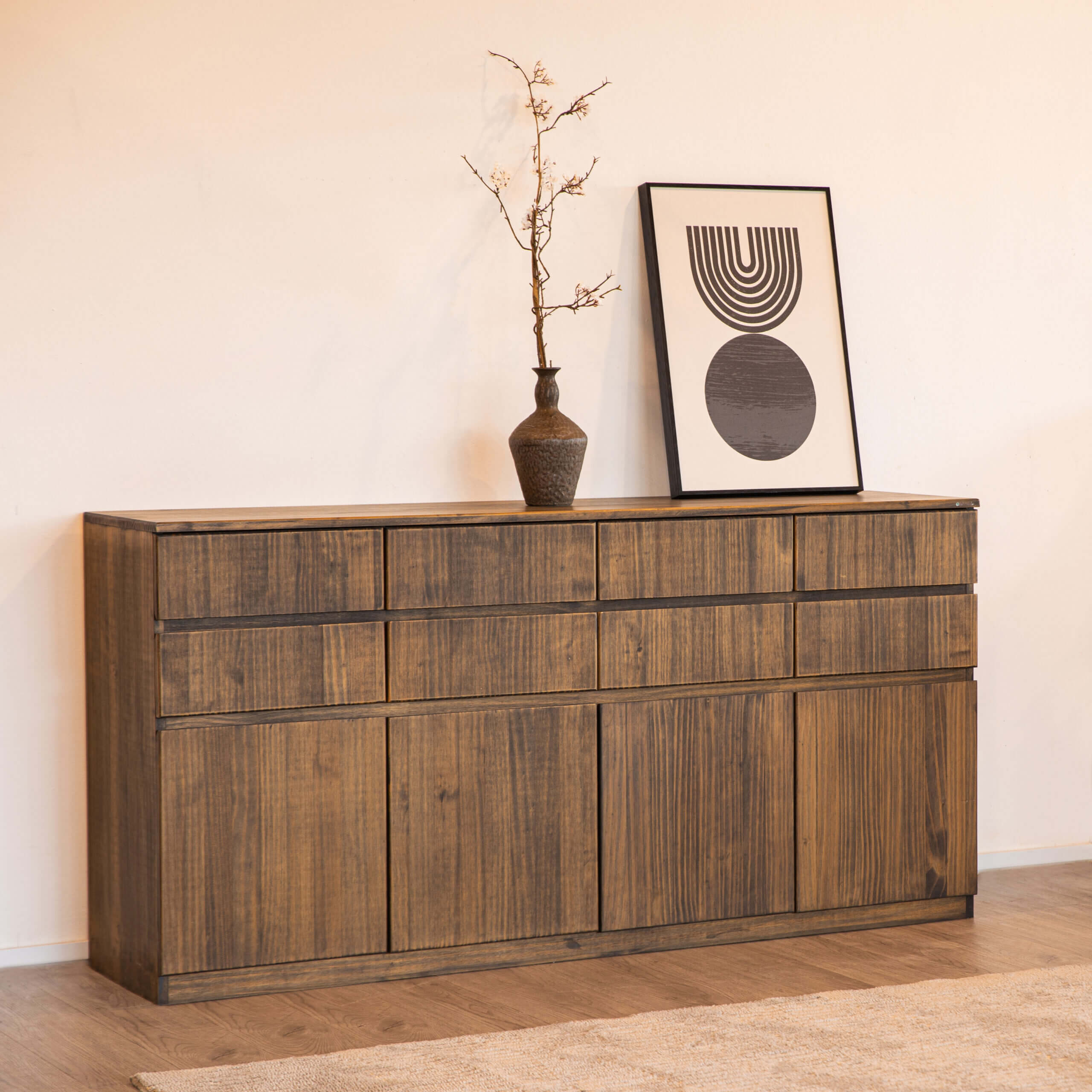
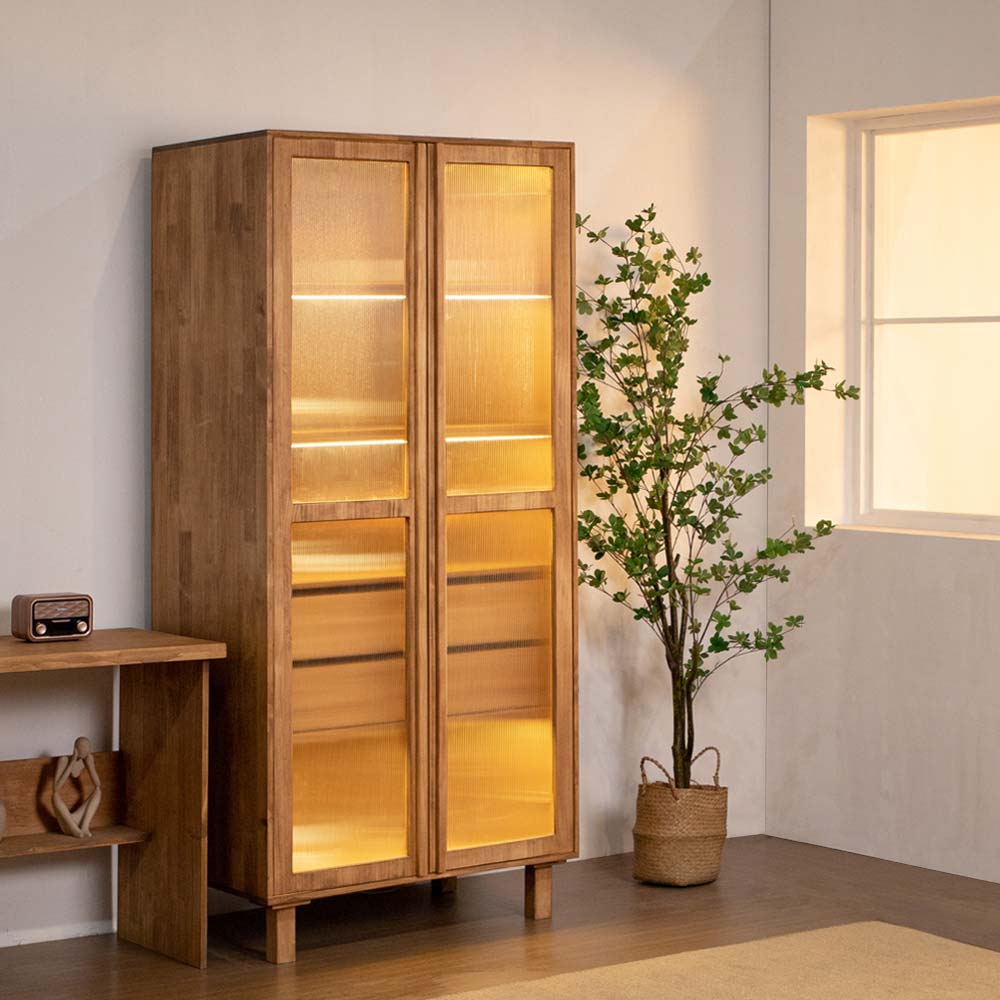
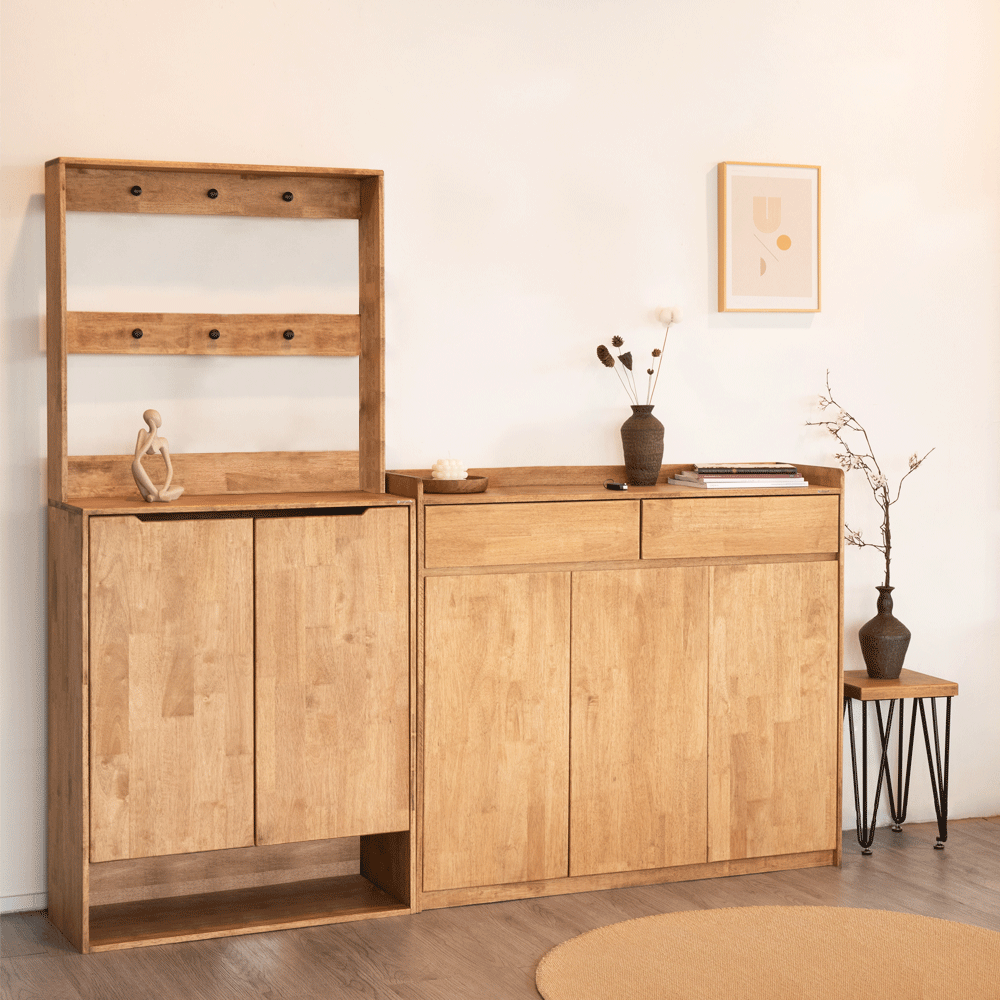
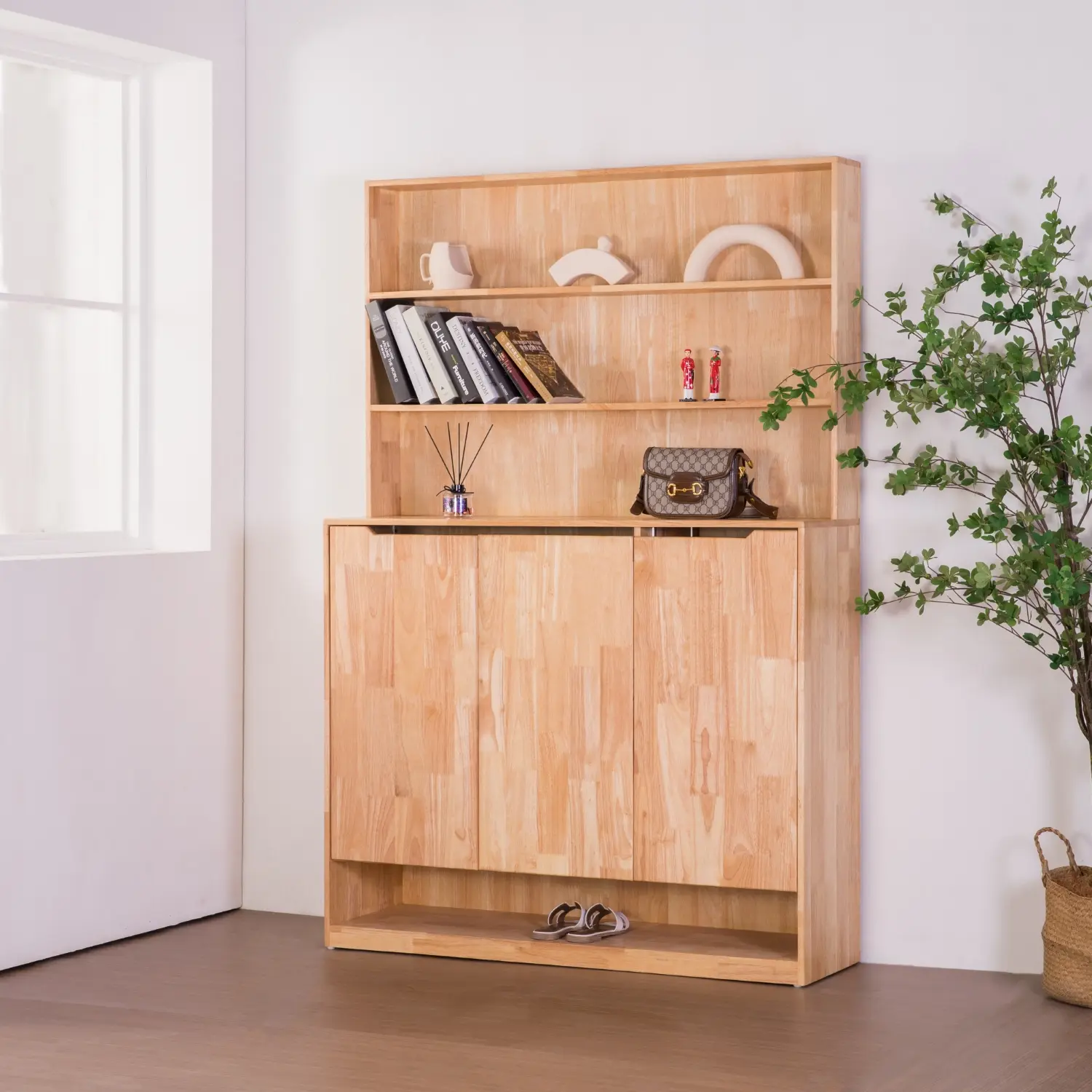
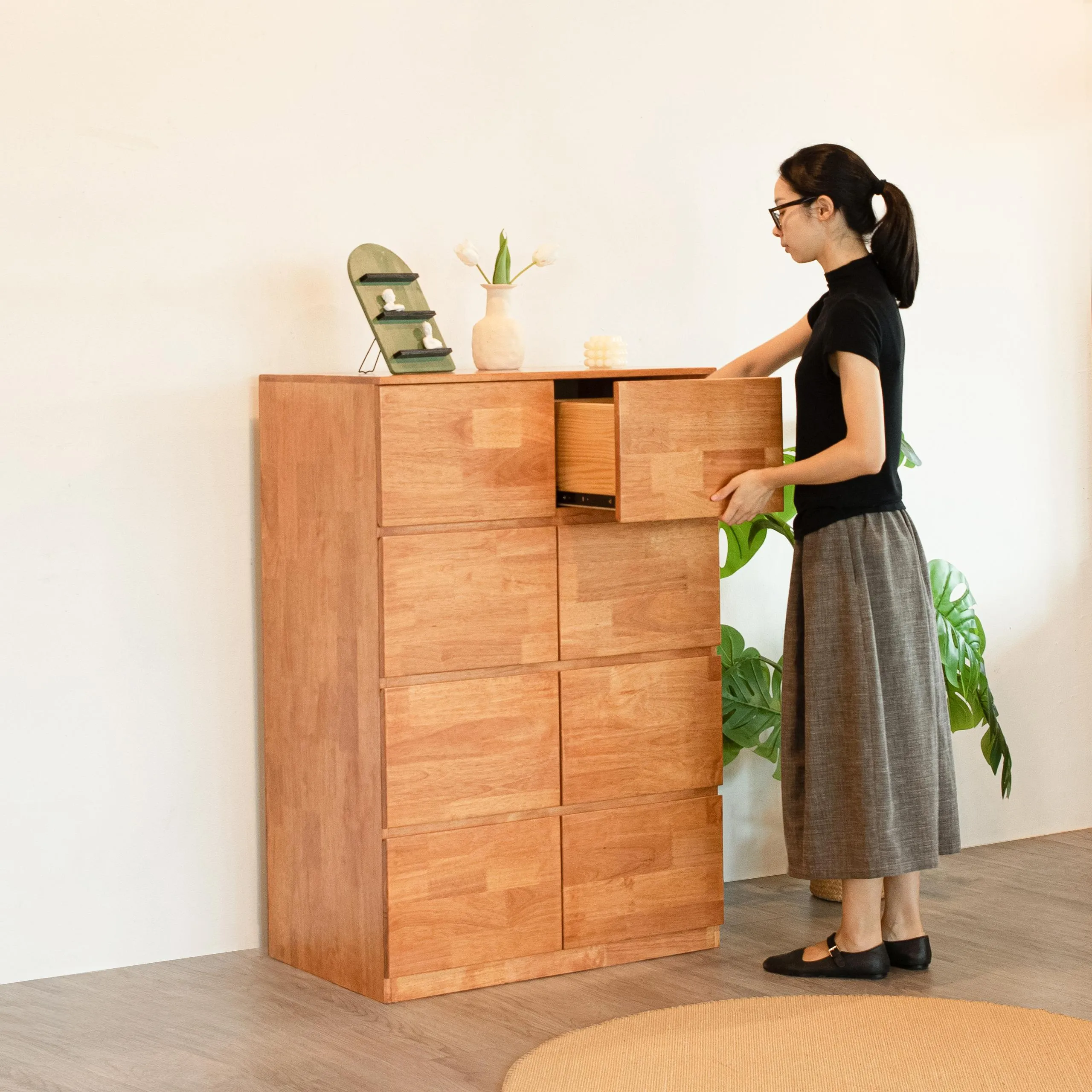
This is the more accessible starting point. You pick from an existing design and adjust specific parameters to suit your home. A configurable shoe cabinet might let you choose:
- Width and height to match your entryway wall
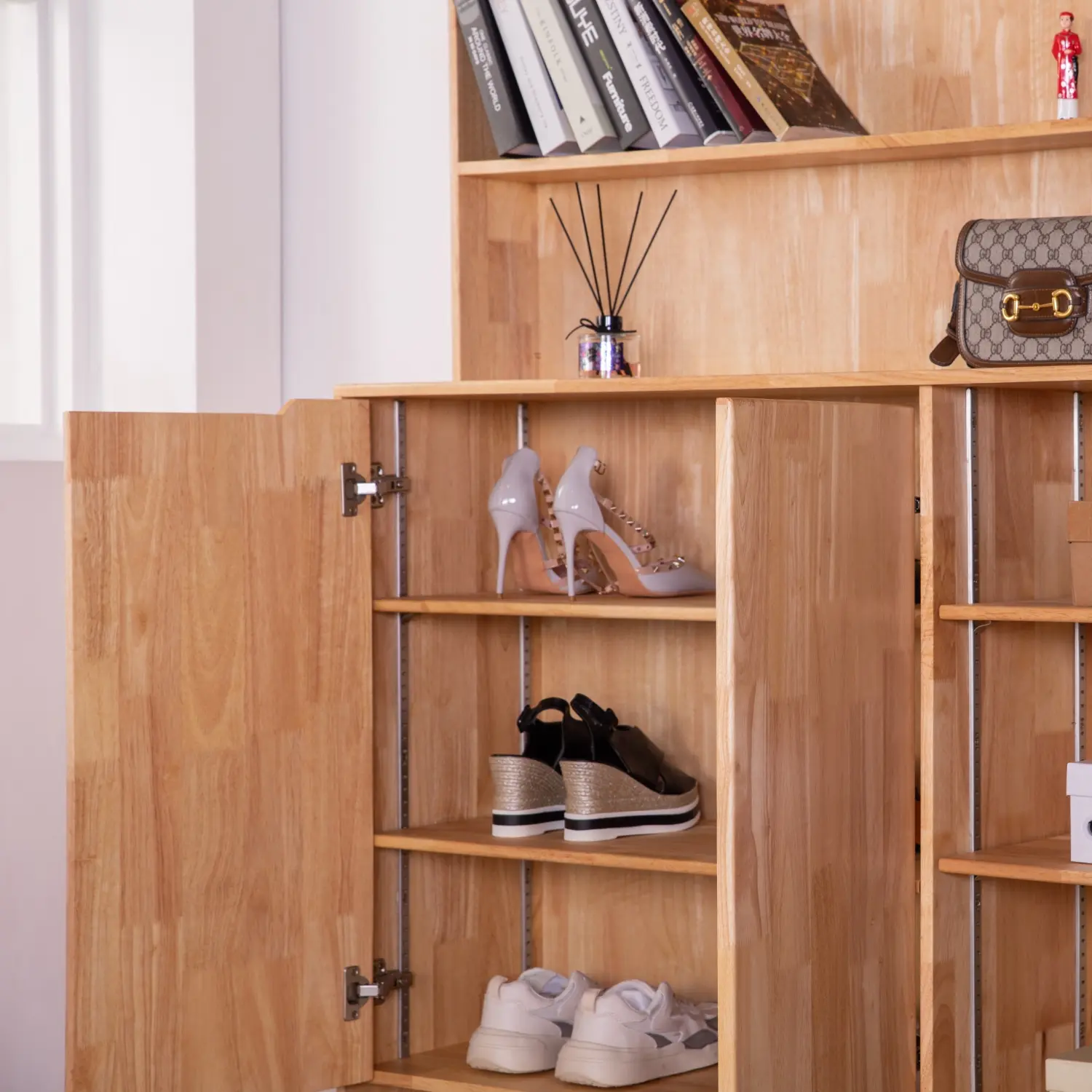
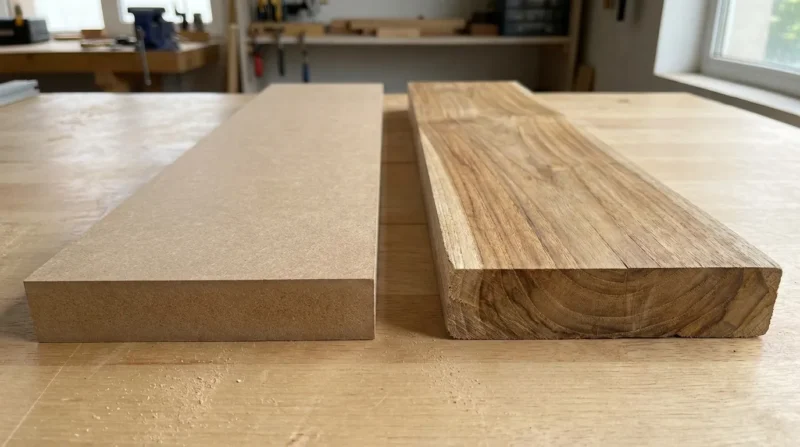
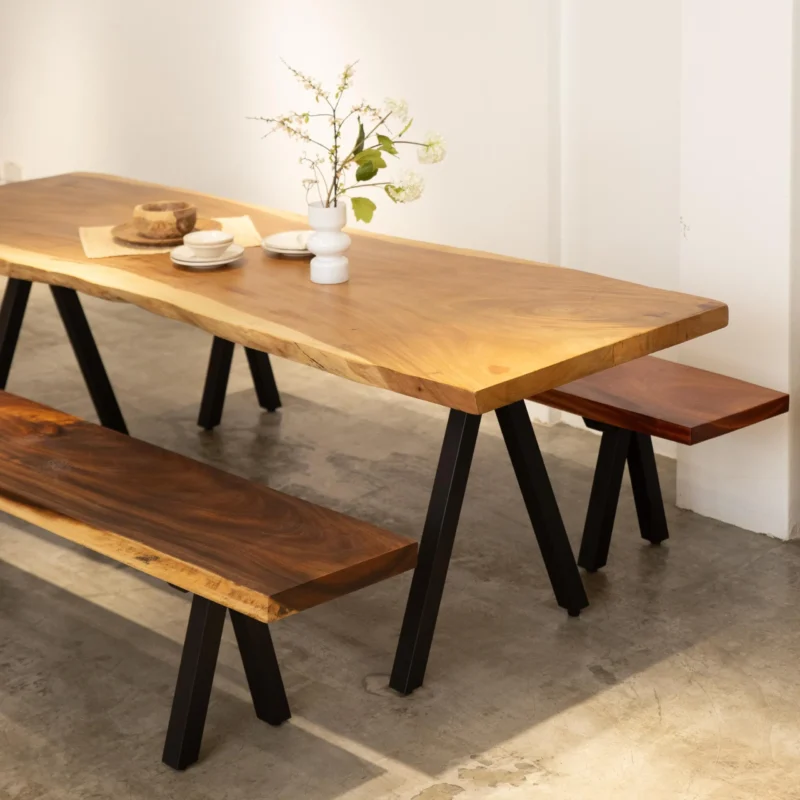
- Wood type (rubberwood for budget-friendliness, premium oak or teak for a classier grain, and so on)
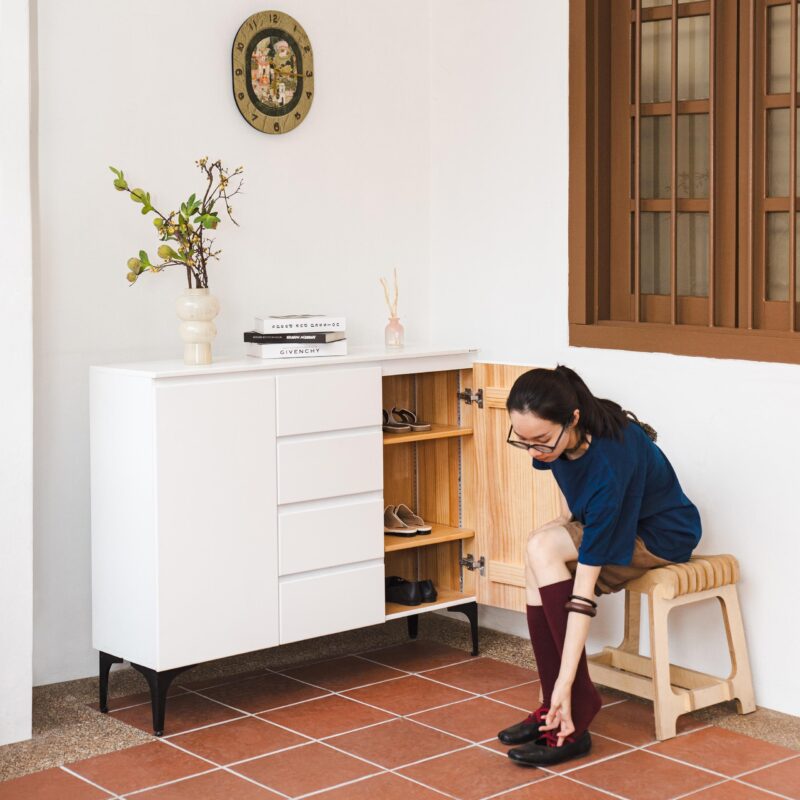
- Colour finish (natural, white, grey, walnut stain, among others)
- Features like adding a top shelf, a bench seat, a drawer, adjustable internal shelves, or elevated legs versus a base that sits flush on the floor
- Door and surface treatments such as fluted panels or different knob styles
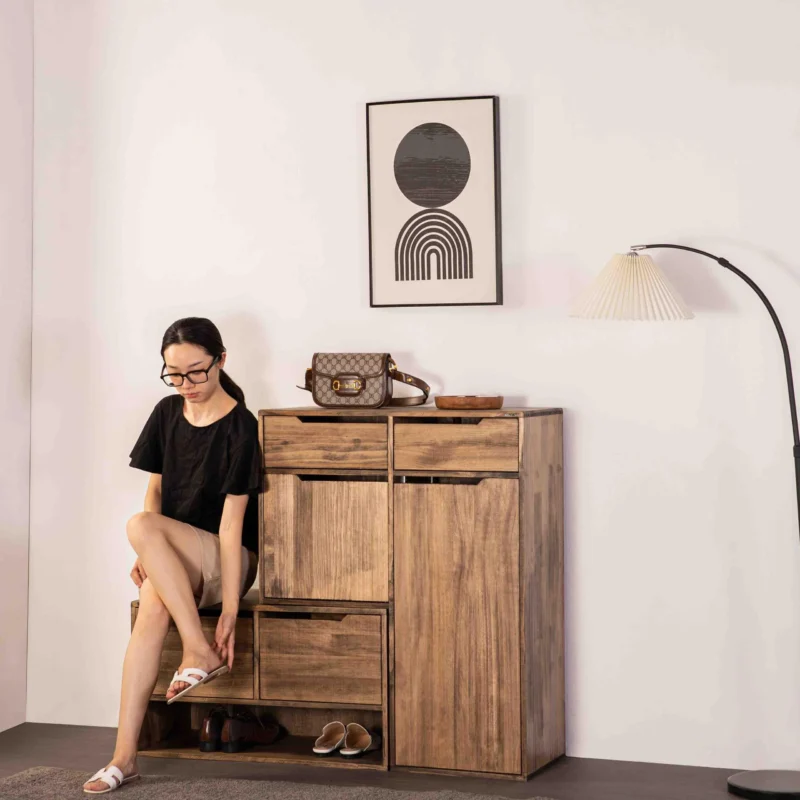
The base design stays the same, but you are tailoring it to your exact space and taste. Lead times are usually short (one to two weeks for local manufacturers), and pricing stays within the range of mid-tier furniture rather than interior design budgets.
This is a good fit for most homeowners who need a shoe cabinet that fits a specific wall width, matches a particular wood tone in their home, or includes features that standard models don’t offer.
Fully custom (designed from scratch)
This is the option most people picture when they hear “custom.” Instead of adjusting an existing design, you start from a blank slate. You specify every dimension, every detail, and every feature to match a particular need or space.
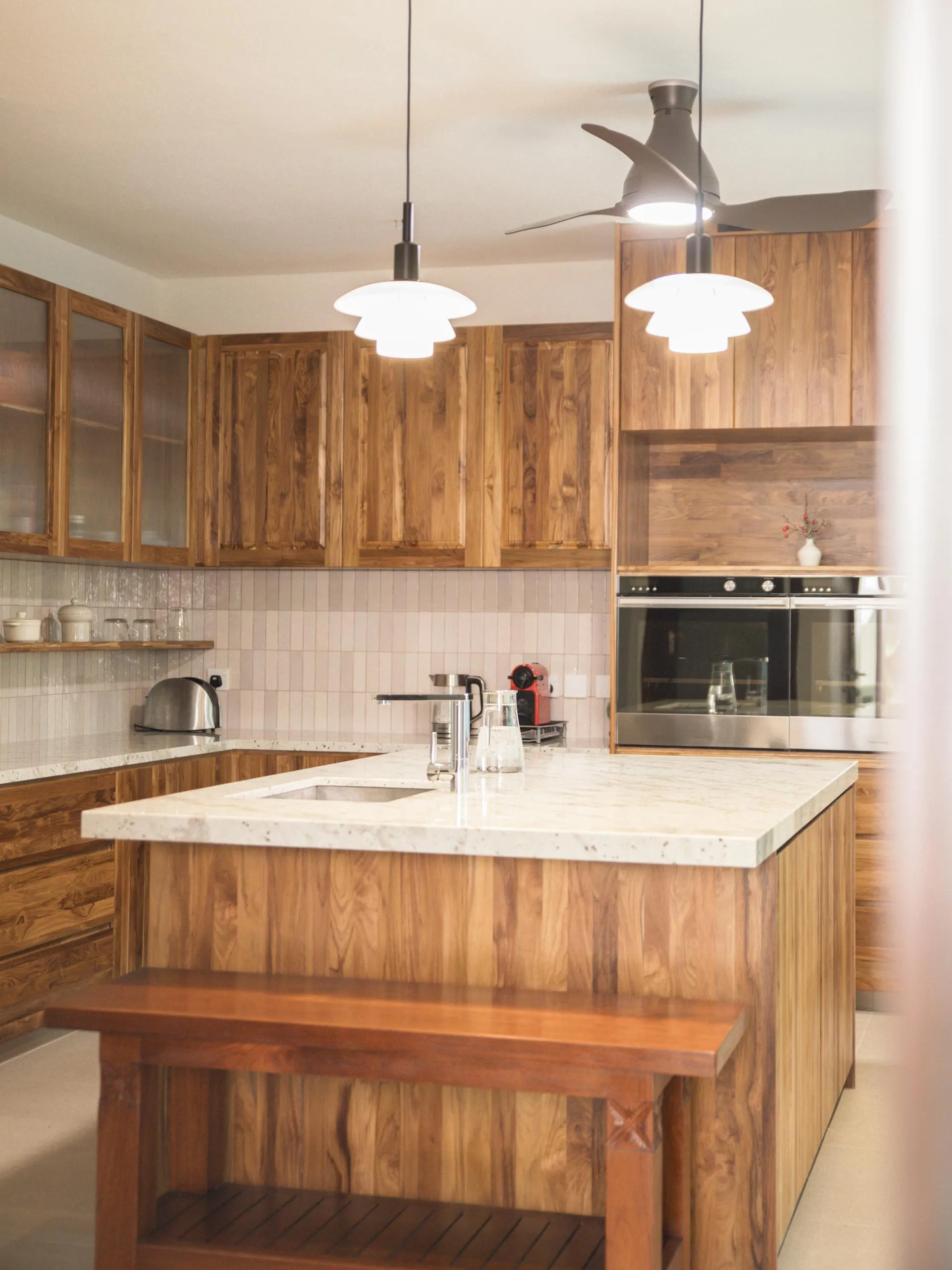
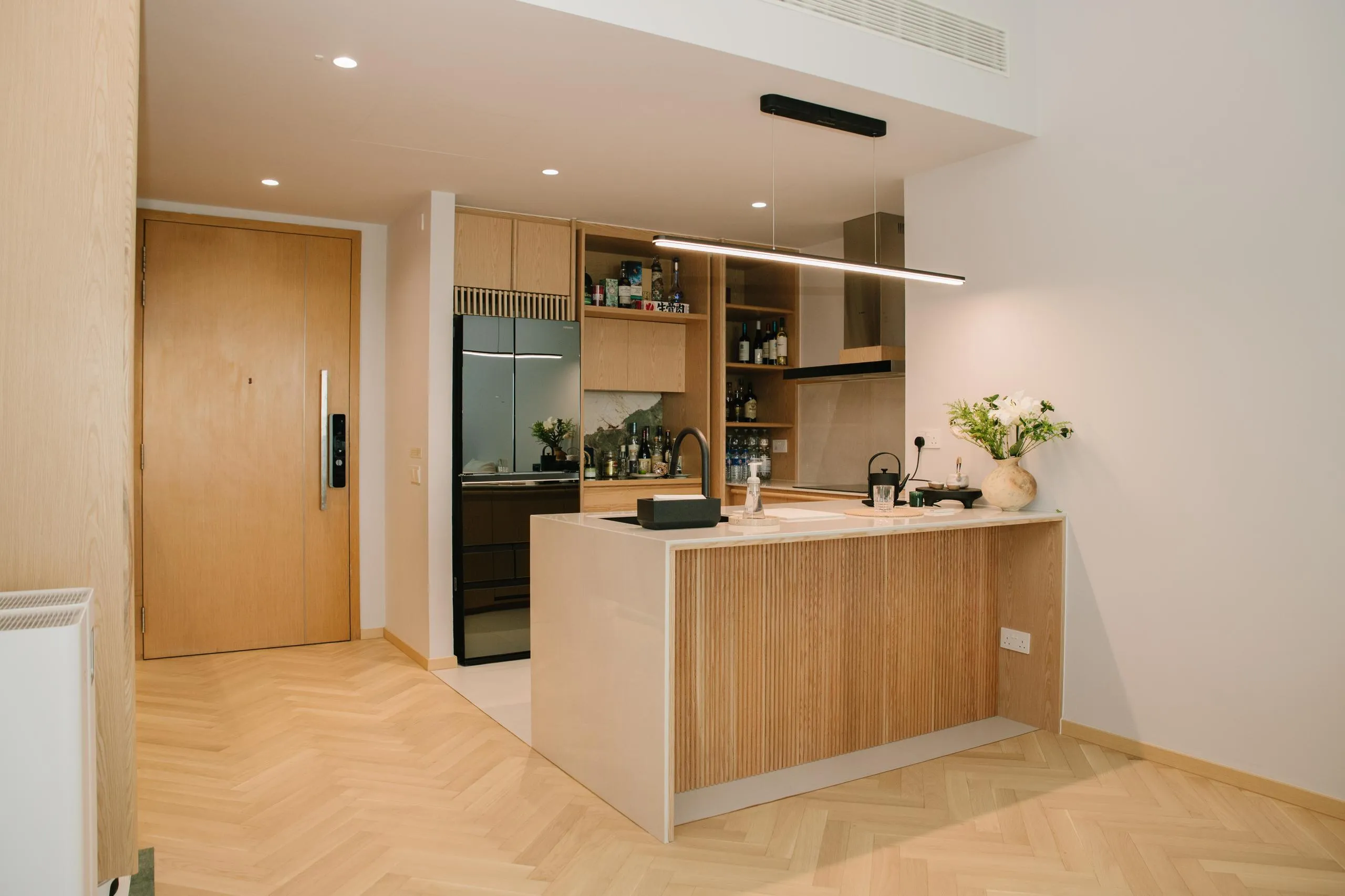
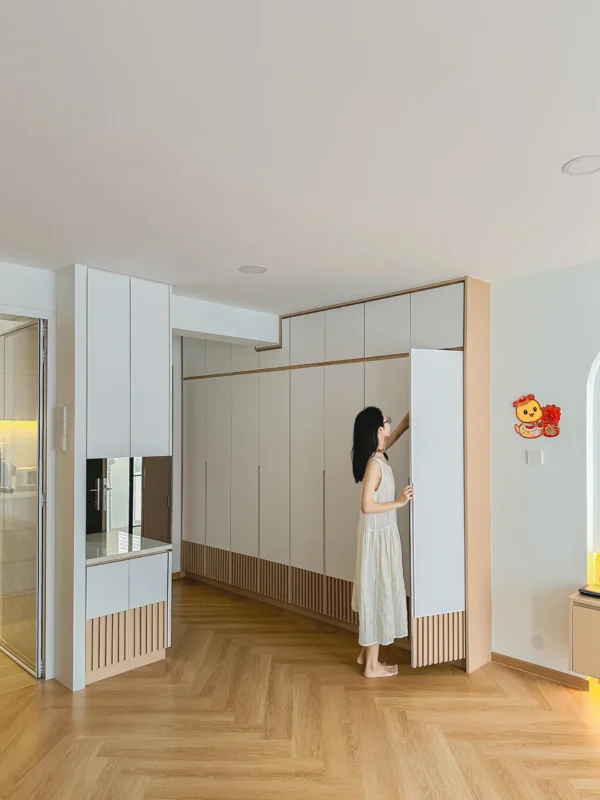
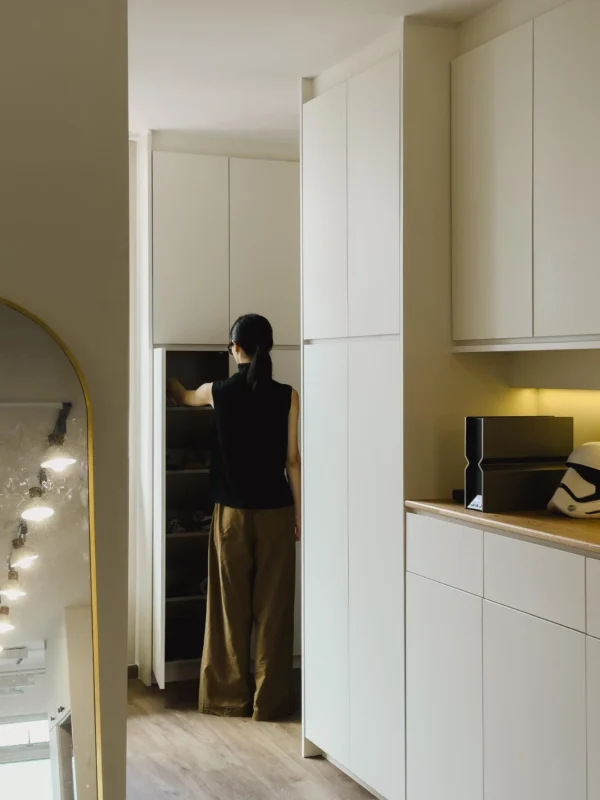
A fully custom shoe cabinet can take different forms. It might be a standalone furniture piece, designed to your exact specifications but still freestanding so it moves with you if you relocate. Or it might be built-in carpentry: wall-mounted, ceiling-height, integrated with your electrical panel (DB box) covering, or part of a larger entryway feature wall. The common thread is that the design originates from your requirements rather than from a pre-existing template.
Going fully custom gives you complete control over dimensions, material, and details. It makes sense when your entryway has an unusual layout, when you need a shape or proportion that no existing model offers, or when you want to integrate the cabinet with other elements like a full-height mirror or a concealed storage compartment.
The trade-off is cost and lead time. Built-in carpentry through an interior design firm typically runs SGD 2,000 to 8,000+ and takes four to twelve weeks. A custom standalone piece from a furniture manufacturer sits lower on both scales, though it still costs more and takes longer than a configurable option.
One practical note: if you commission a custom piece with dimensions tailored to a specific wall in your current home, the sizing will be perfect for that space. It can still move with you, but it may not fit as seamlessly in a different entryway. That is a trade-off worth considering, especially if a move is on the horizon.
A useful way to think about it: configurable furniture is like tailoring a shirt to your measurements. Fully custom is like having a piece cut from your own pattern. Both are “custom,” but the starting point, price, and process are quite different.
At Myseat.sg, we offer both configurable options (adjusting our existing shoe cabinet designs to your preferred size, wood, finish, and features) and fully custom pieces designed from scratch to your specifications, whether as a standalone unit or as part of a built-in carpentry project. A showroom consultation can help you figure out which approach suits your space and budget.