How to Choose a Shoe Cabinet That Actually Lasts in Singapore's Climate

A practical guide to materials, dimensions, and ventilation for HDB flats, condos, and landed homes.

If you have ever opened your shoe cabinet and been hit by a wave of musty air, or watched laminate edges peel and swell after just a year or two, you already know the problem. Singapore’s humidity, which hovers between 80% and 90% for most of the year, is unforgiving on furniture. And shoe cabinets sit right at the front line: positioned at the entryway, exposed to rain-soaked shoes, temperature swings from air conditioning, and the daily moisture that comes with tropical living.

Most shoe cabinets sold in Singapore are imported flat-pack units made from particleboard or MDF with a melamine coating. They are affordable and widely available, and for many households they work fine in the short term. But if you are planning to keep your shoe cabinet for more than two or three years, or if you have experienced mould, warping, or that familiar stale smell, it is worth understanding what actually drives these problems and how to avoid them.

This guide covers the key decisions: which material handles Singapore’s climate best, how to size a shoe cabinet for your actual entryway, and what design features matter for long-term freshness and durability.

Material Matters More Than You Think

The material your shoe cabinet is made from determines how it handles moisture, how long it lasts, and whether it contributes to or prevents the mould problem.

Here is a realistic comparison of the most common options available in Singapore:

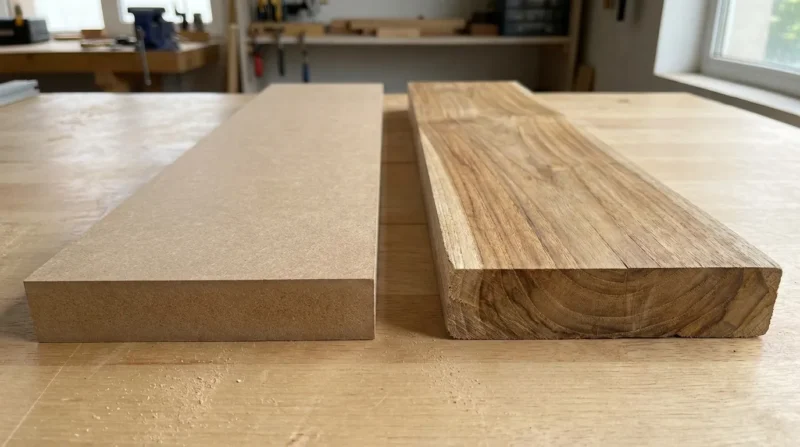
Particleboard and MDF (melamine-coated) This is what the majority of shoe cabinets on Shopee, Lazada, and IKEA are made from. Prices typically start from SGD 30 and go up to SGD 200. The boards are manufactured by binding wood fibres or particles with resin-based adhesives, then sealed with a melamine film on the surface. The main advantages are affordability, a wide range of designs, and lightweight construction.

The main weakness is moisture. When edges are chipped, when humidity seeps through joints, or when wet shoes sit on the shelves, the core material absorbs water and begins to swell. Over time, this leads to warped doors, sagging shelves, loosened hinges, and peeling laminate. The enclosed interior also tends to trap moisture from shoes, creating conditions where mould thrives. Additionally, the resin adhesives in lower-grade boards can release formaldehyde, a volatile organic compound classified as a Group 1 carcinogen by the WHO.

If you choose MDF or particleboard, look for E0 or ENF-grade boards, which have significantly lower formaldehyde emissions. Be aware, though, that the structural weakness in humid conditions remains regardless of the emission grade.

Metal (powder-coated steel or aluminium) IKEA’s GREJIG (from SGD 10) and TJUSIG (from SGD 35) are popular examples. Metal racks are lightweight, rust-resistant when properly coated, and virtually immune to moisture damage. They are excellent for renters, temporary setups, or outdoor-adjacent areas.

The trade-off is aesthetics and functionality. Metal racks are typically open-frame designs with no enclosed storage, meaning shoes are exposed to dust and visible clutter. Enclosed metal cabinets exist but tend to feel industrial. For homeowners who want their entryway to look like a considered part of the home, metal racks may not deliver.

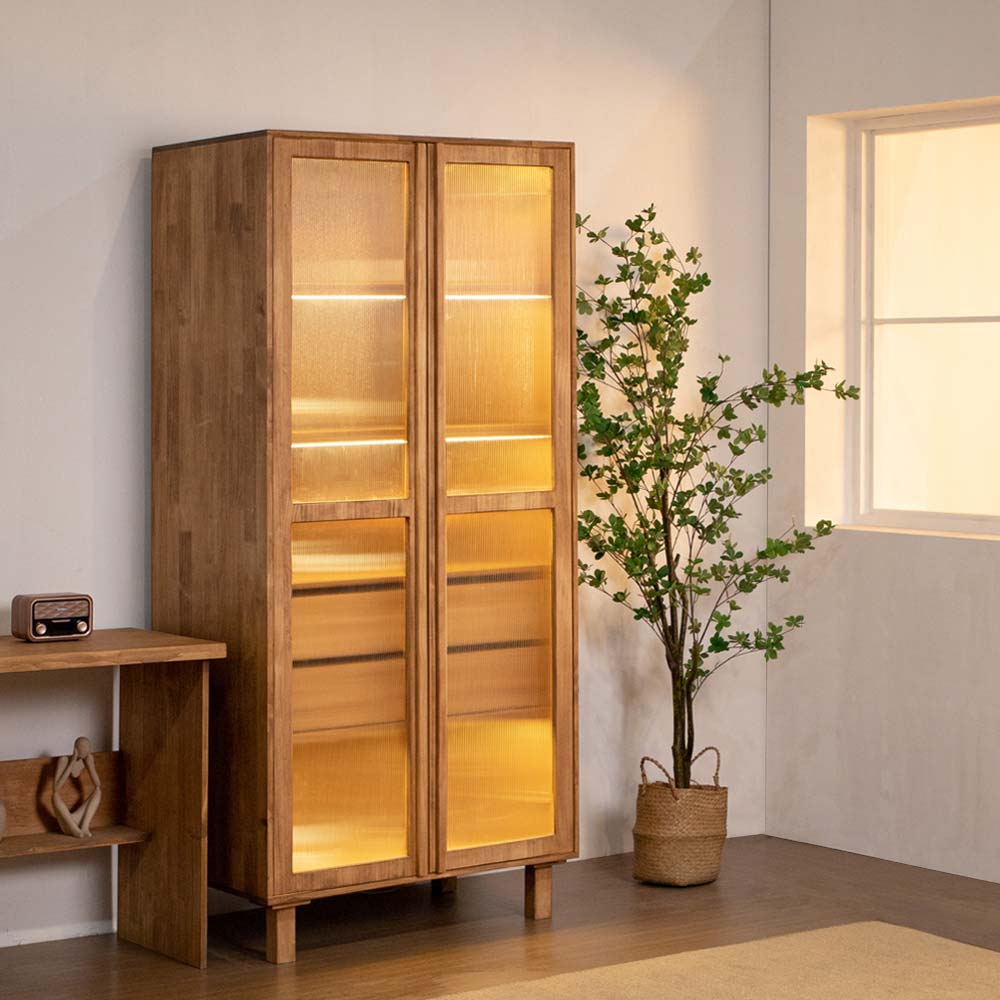
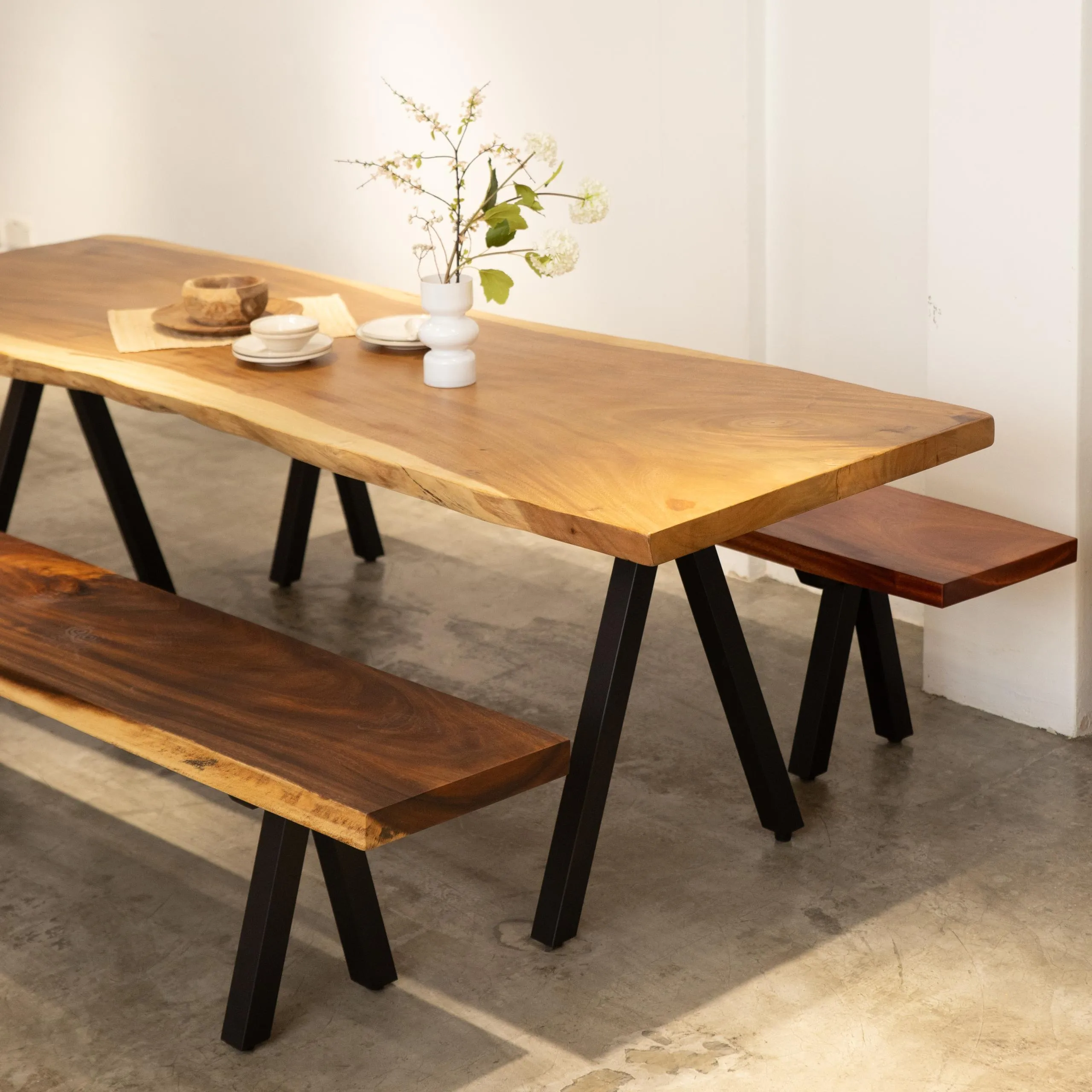
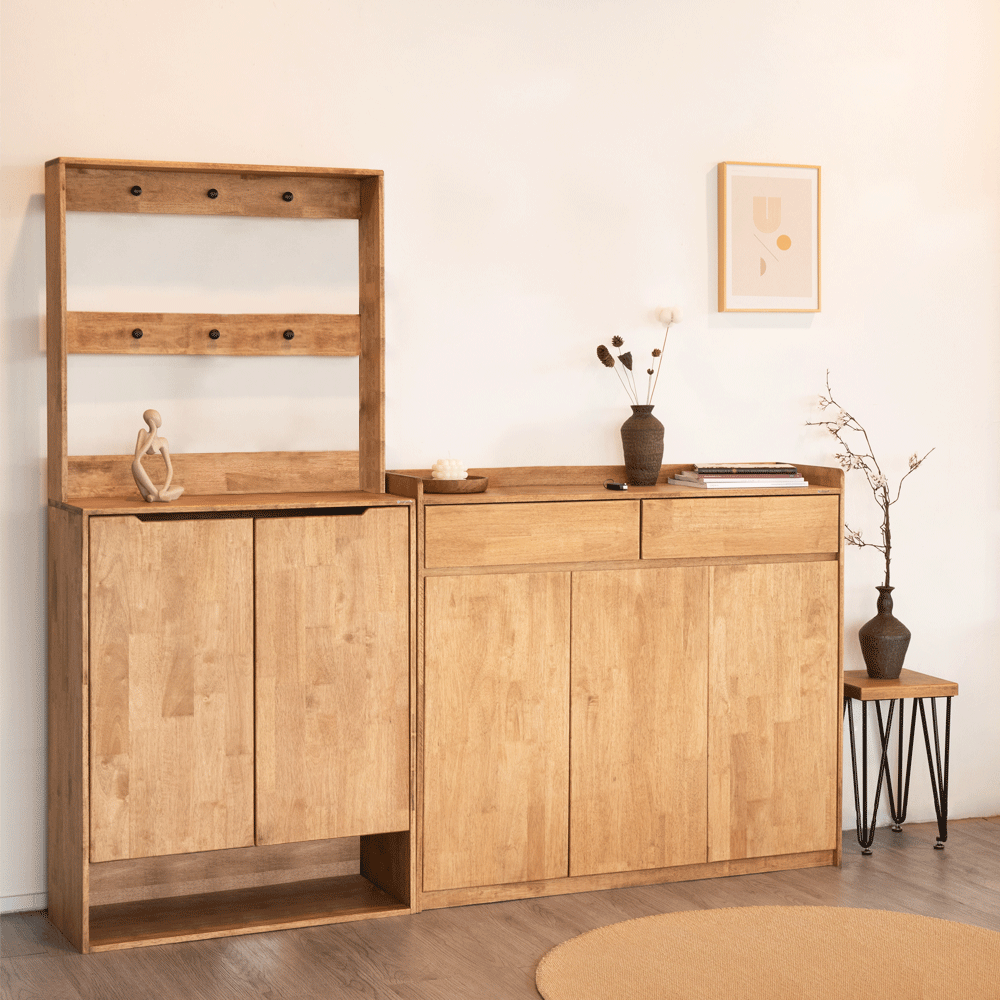
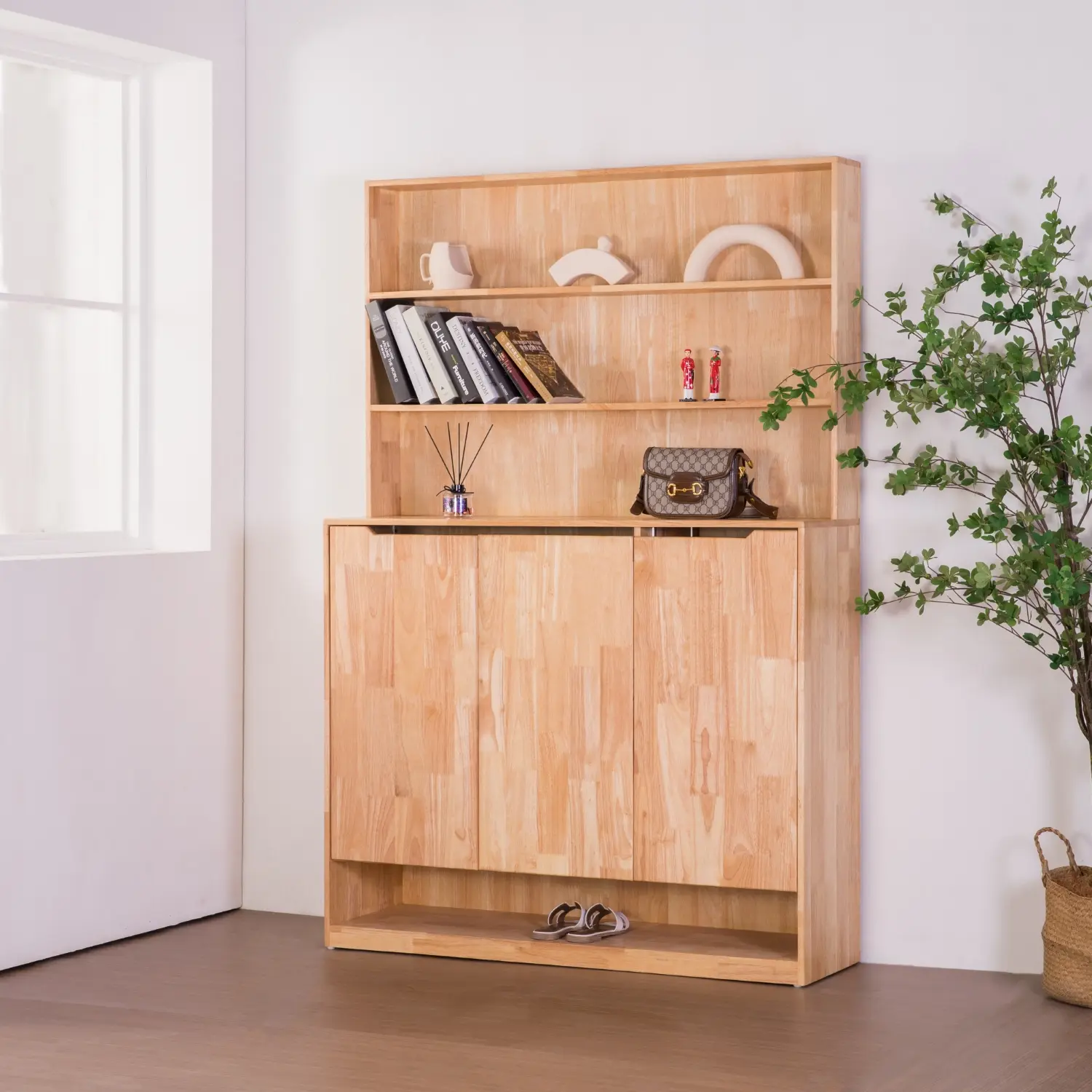
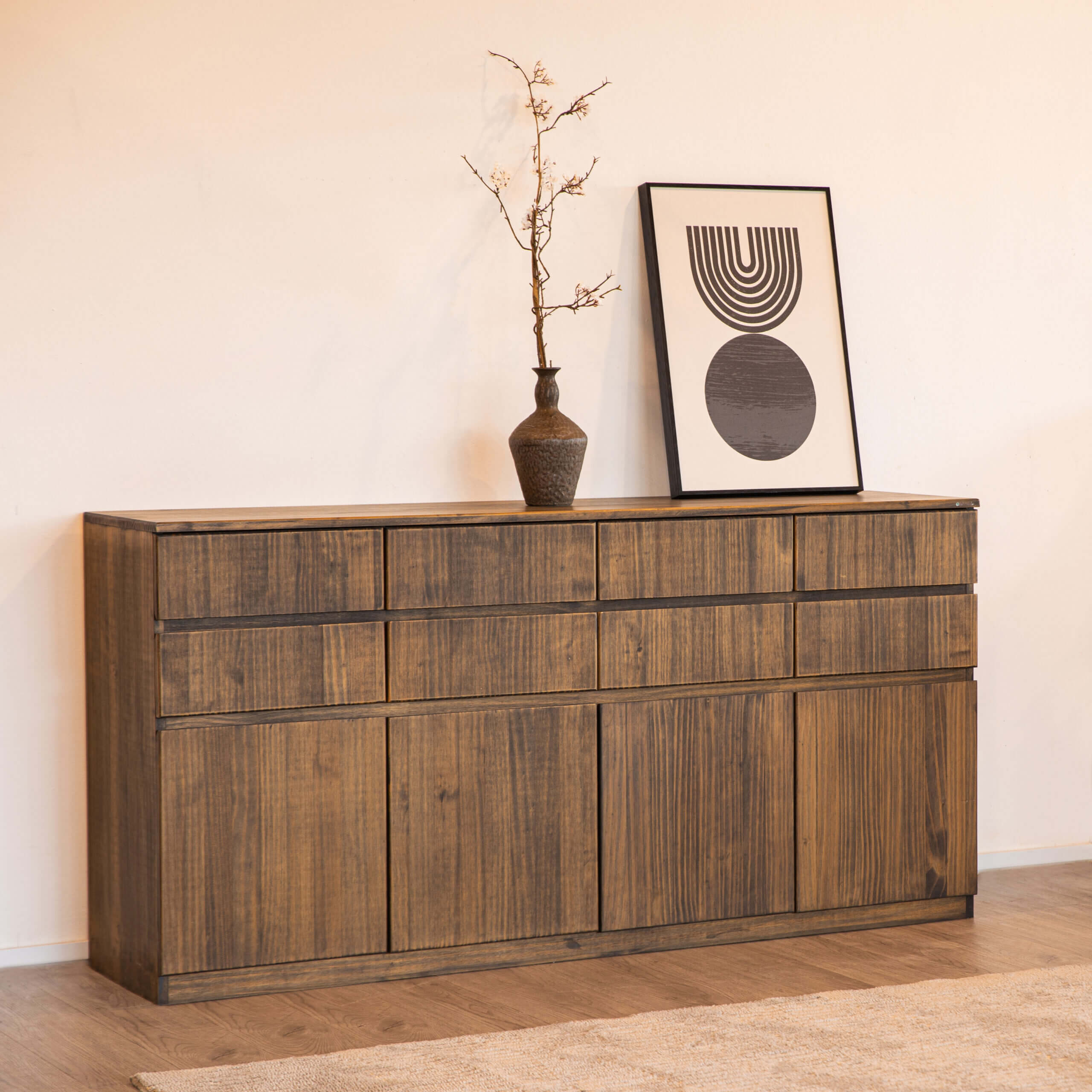
Solid wood (rubberwood, oak, teak, and similar hardwoods) Solid wood sits at a higher price point, typically SGD 300 to SGD 800+ depending on the wood species and size. The core advantage is density and structural integrity. A solid timber shelf does not sag under shoe weight, does not swell at the edges, and does not delaminate because there are no laminate layers to separate. Hardwoods like rubberwood (Janka hardness of 960–1,000) and oak are naturally resistant to the warping that plagues composite boards.

Wood is also micro-porous, meaning it can absorb and release small amounts of moisture rather than trapping it. This natural breathability helps regulate conditions inside the cabinet, though it is not a substitute for proper ventilation (more on that below).

The disadvantages of solid wood are real and worth acknowledging. It costs more upfront. It is heavier, which means delivery and repositioning require more effort. And it does need basic maintenance: occasional wiping and a light wax refresh once or twice a year to keep the finish in good condition.

For households looking for a shoe cabinet that lasts five to ten years or more without replacement, solid wood typically offers the best long-term value per year of use.

MDF vs solid wood
MDF vs solid wood

Getting the Dimensions Right for Your Entryway

Dimension mistakes are among the most common regrets with shoe cabinet purchases. Here is a practical framework for Singapore homes.

Depth (front to back) This is the most critical measurement for HDB corridors. Standard shoe cabinets are 35–40 cm deep, which works well if you have a spacious foyer. But many BTO and resale HDB entryways have only 90–110 cm of usable corridor width. A 40 cm deep cabinet in a 100 cm corridor leaves just 60 cm for walking, which can feel uncomfortably tight, especially with a stroller or wheelchair.

Slim or flip-down cabinets with a depth of 20–25 cm are designed specifically for this constraint. They store shoes vertically or at an angle inside tilt-out compartments, giving you cabinet-level storage in roughly half the depth.

Before you buy, measure the clear width of your corridor from wall to wall, then subtract the cabinet depth. If the remaining walkway is less than 80 cm, consider a slimmer unit.

Width Measure the available wall space and account for any obstructions: DB boxes (distribution boards), fire riser doors, light switches, or gate swing clearance. A 80–100 cm wide cabinet is the sweet spot for most single-wall HDB entryways. Wider is better for storage capacity, but only if the wall allows it.

Height Low cabinets (60–80 cm) can double as console surfaces for keys, a lamp, or a small plant. Tall cabinets (120–180 cm) maximise shoe storage without using more floor space. If your household owns 30 or more pairs, a tall unit is usually the more practical choice.

Capacity rule of thumb A 100 cm wide cabinet with four adjustable shelves typically holds 16–24 pairs of standard adult shoes, depending on shoe type and how tightly you pack them. Count your shoes first, then add 20–30% for future purchases. This sounds basic, but most buyers underestimate how many shoes their household actually owns.

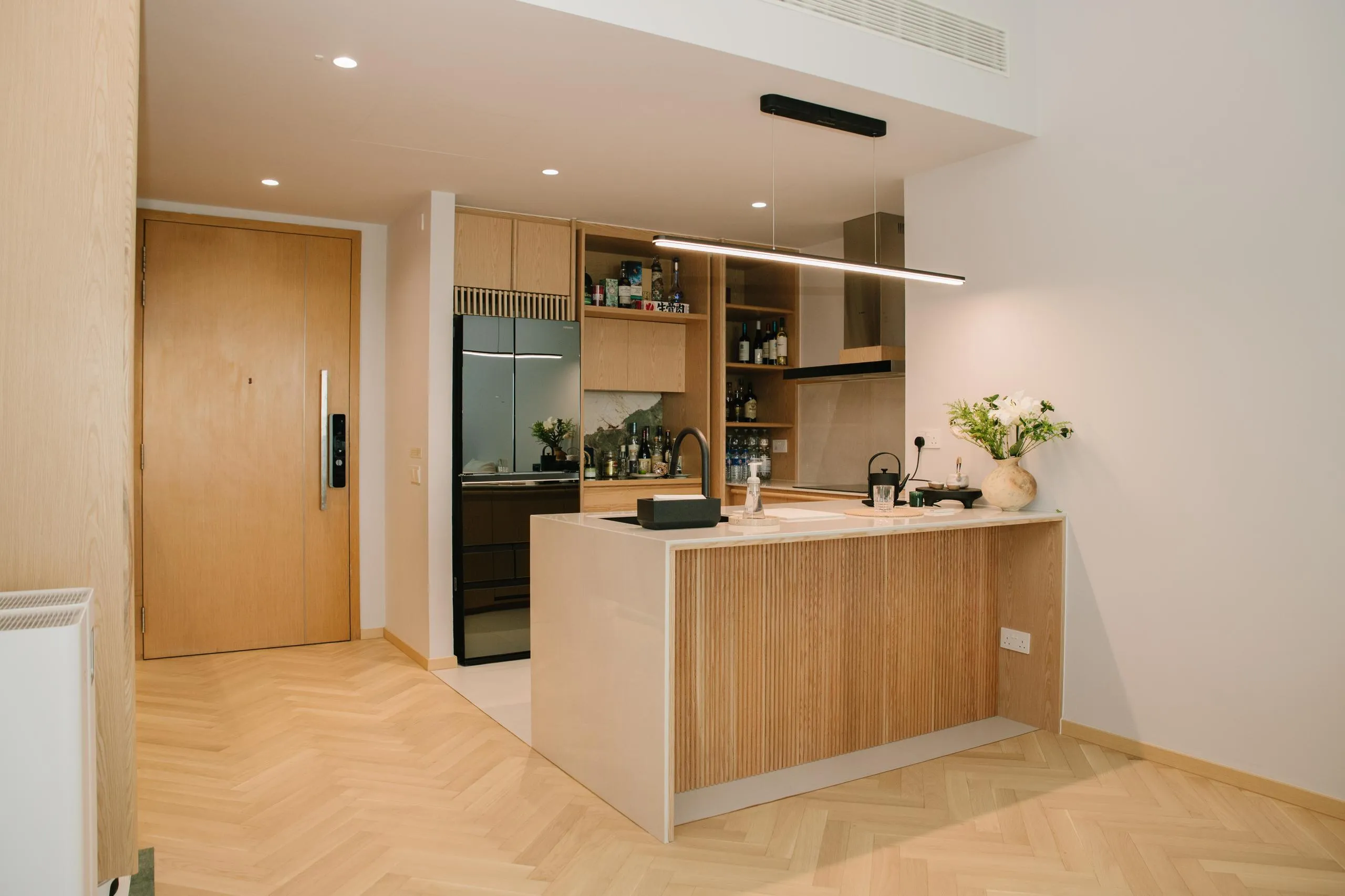
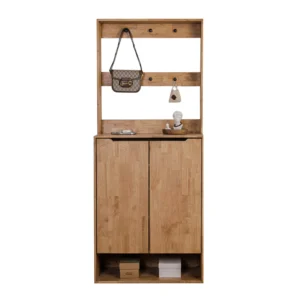
HDB entryway with built-in shoe cabinet and seat

Ventilation: The Overlooked Feature That Prevents Mould

Mould in shoe cabinets is not primarily a cleaning problem. It is a ventilation and material problem. When damp shoes are placed inside an enclosed cabinet and the doors stay shut, humidity builds up rapidly in the trapped air. Mould spores, which are already present on shoe surfaces and in household dust, begin to feed on the moisture and organic residue.

Here is what to look for in a shoe cabinet’s ventilation design:

  • Open bottom shelf or raised base: Allows air to circulate underneath and provides a spot for everyday shoes that need to dry quickly after a rain.
  • Louvred, slatted, or perforated doors: Doors with built-in airflow openings allow passive ventilation even when the cabinet is closed.
  • Back panel gaps or ventilation holes: Some cabinets leave a small gap between the back panel and the wall, or include cut-outs in the back, to allow warm, humid air to escape upward.
  • Adjustable shelves with spacing: Avoid overcrowding. Each pair should have enough clearance around it so that air can move between shoes. Tightly packed shelves trap heat and moisture.

Even with good cabinet design, the most important habit is to let shoes air-dry before storing them. If you come home with rain-soaked sneakers, leave them on the open shelf or outside the cabinet overnight before placing them inside. No cabinet material or design can fully compensate for storing shoes that are still wet.

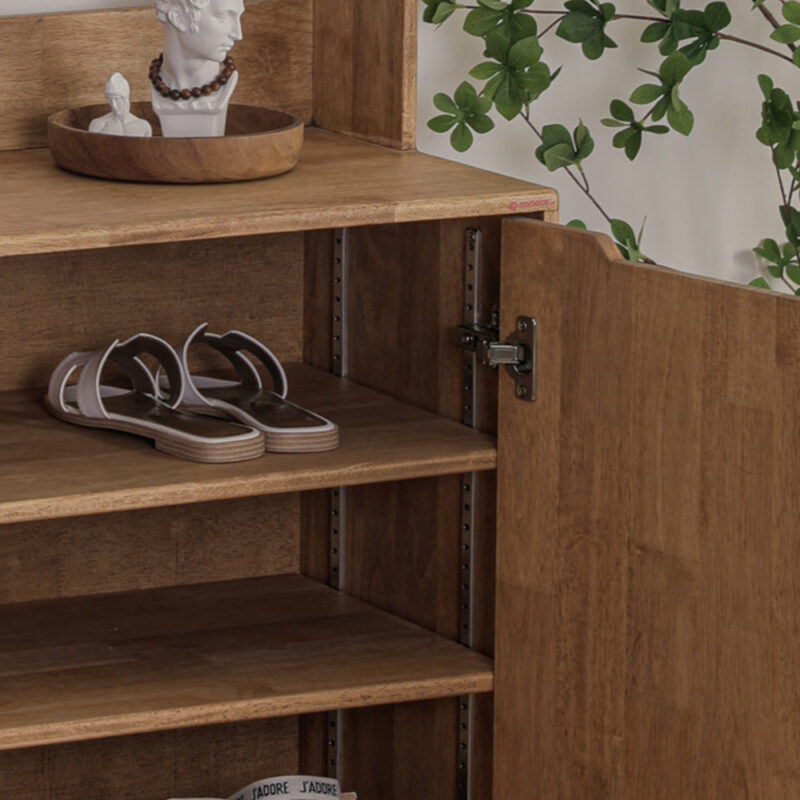
Adjustable shelves for shoe cabinet space and ventilation

Formaldehyde and Indoor Air Quality: A Quick Note

This may not be the first thing on your mind when shopping for a shoe cabinet, but it is worth a brief mention. Shoe cabinets sit in entryways where family members, including children, pass multiple times daily. Lower-grade composite boards bound with urea-formaldehyde resin can off-gas for years after purchase. In Singapore, where many homes run air conditioning with windows closed for extended periods, these emissions have limited opportunity to dissipate.

If this concerns you, look for cabinets made with E0 or ENF-grade materials, or opt for solid wood with plant-based finishes. ENF is the strictest formaldehyde emission standard currently available (≤ 0.025 mg/m³), roughly 20 times stricter than E0.
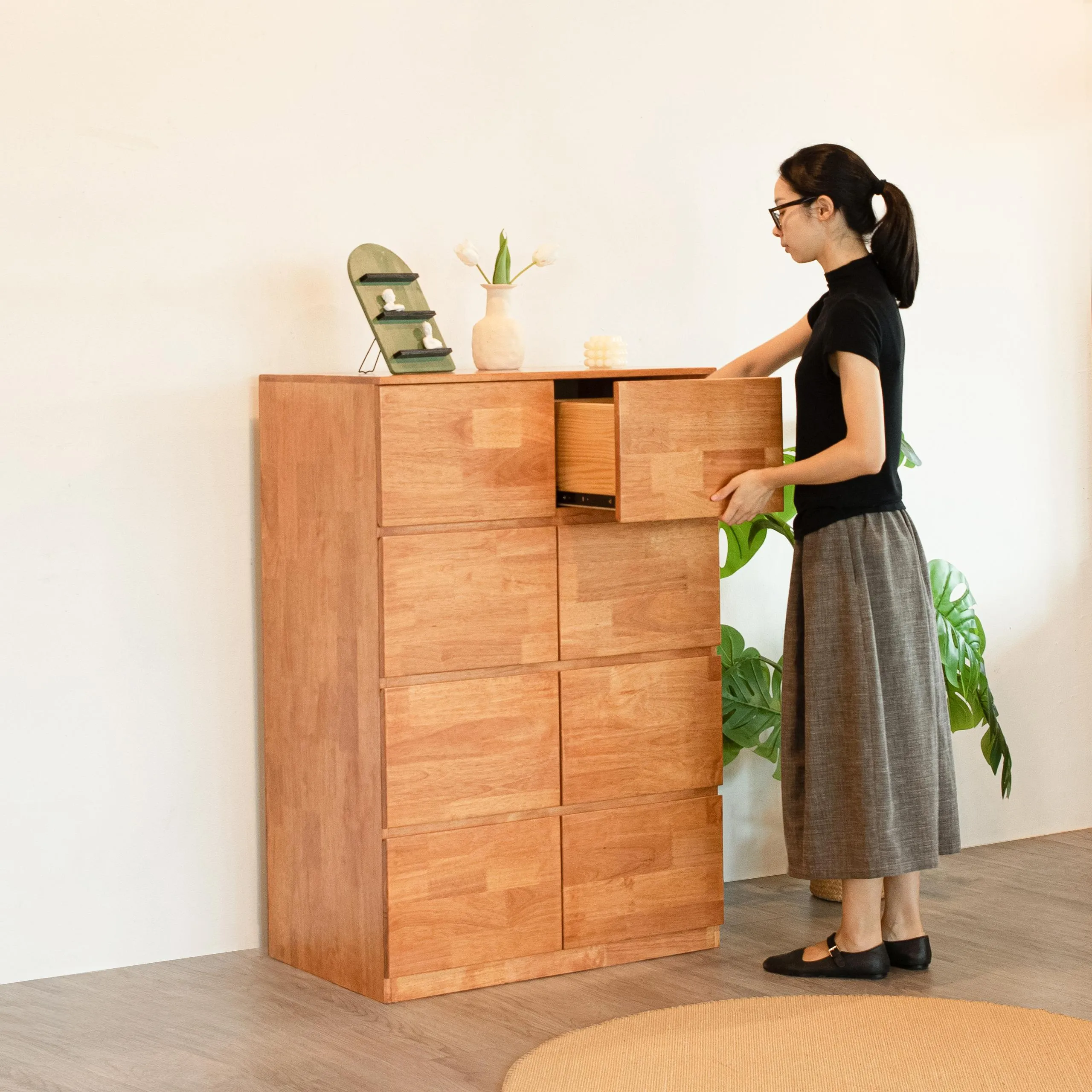
At Myseat.sg, all our solid wood shoe cabinets are finished with natural wood wax finish, plant-derived and has been independently certified to have zero formaldehyde emissions and meets the EU’s child toy safety standards. We mention this not as a sales pitch, but because it is a data point worth knowing if you are comparing material safety across different brands.

How to Decide: A Simple Framework

If you are still unsure, this checklist may help:

  1. Measure your entryway (depth, width, height, obstructions). Write the numbers down.
  2. Count your household’s shoes. All of them. Then add 20–30%.
  3. Decide your priority: Is it budget (lean toward MDF or metal), longevity and aesthetics (lean toward solid wood), or maximum ventilation (lean toward open racks)?
  4. Check the material and finish certifications if indoor air quality matters to you.
  5. If possible, see and touch the material in person before committing. Wood grain, finish texture, and colour look different on screens than in real life.

Final Thoughts

A shoe cabinet is one of those pieces of furniture that seems simple until you get it wrong. The right one keeps your entryway clean, your shoes in good condition, and your mornings a little smoother. The wrong one becomes a source of frustration, from swelling edges to musty smells to shelves that cannot hold the shoes you actually own.

Take the time to measure, count, and understand what your entryway needs. If solid wood feels like the right fit for your home, we invite you to explore the shoe cabinet collection at Myseat.sg. Every piece is locally crafted from FSC-certified solid wood, customisable in dimensions and finish, and backed by a 10-year warranty. If you are unsure about sizing or configuration, our showroom team can help you work through the options in person.

Your entryway deserves more than a cabinet that needs replacing in two years.

Shop Confidently With 10-yr Warranty

Explore our latest creations, featuring fresh designs and timeless craftsmanship.


Myseat.sg — Singapore’s solid wood furniture, crafted locally, customised for your home.

Solid woods, solid homes

Become a subscriber

Subscribe to our newsletter for special offers, plus find out new products, trends, and promotions.

Affiliate Links

FOLLOW US

Copyright © 2016-2025 MYSEAT.SG. All rights reserved.

Shopping cart

0
image/svg+xml

No products in the cart.

Continue Shopping
Like What You See?

Join the community to receive updates on latest deals, new launches and inspirations.

Plus, enjoy a special offer just for you.

Before You Go

Subscribe for latest deals, new launches and inspirations.

Plus, enjoy a special offer just for you.

Before You Go

Subscribe for latest deals, new launches and inspirations.

As a token of appreciation, enjoy a special offer just for you.