Solid Wood vs Veneer: What’s the Real Difference for Furniture Buyers?
When shopping for furniture in Singapore, you’ll likely come across two common terms: solid wood and veneer. While they may look similar on the surface, these two materials differ significantly in structure, performance, and price. Choosing the right one can mean the difference between a piece that lasts decades and one that needs replacing within a few years.
In this guide, we break down the solid wood vs veneer Singapore debate—covering the pros, cons, and best use cases so you can make an informed decision.
What is Solid Wood?
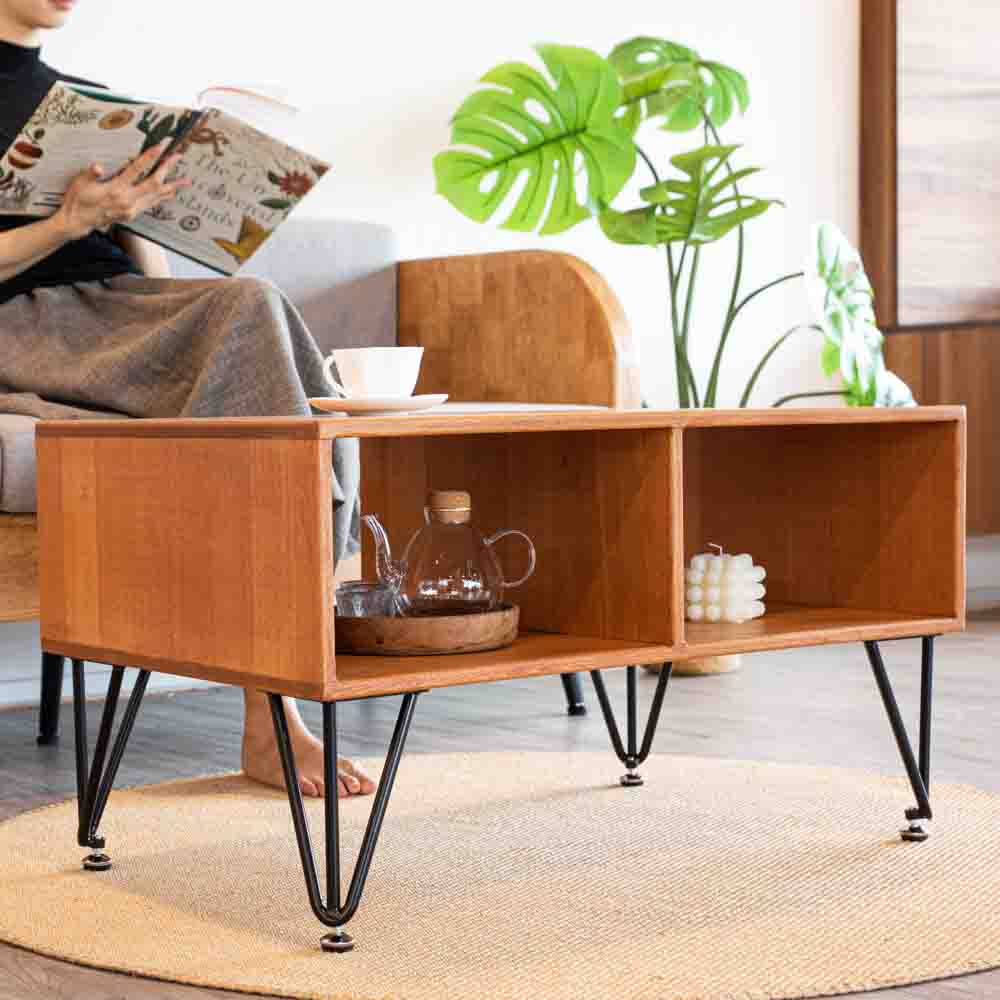
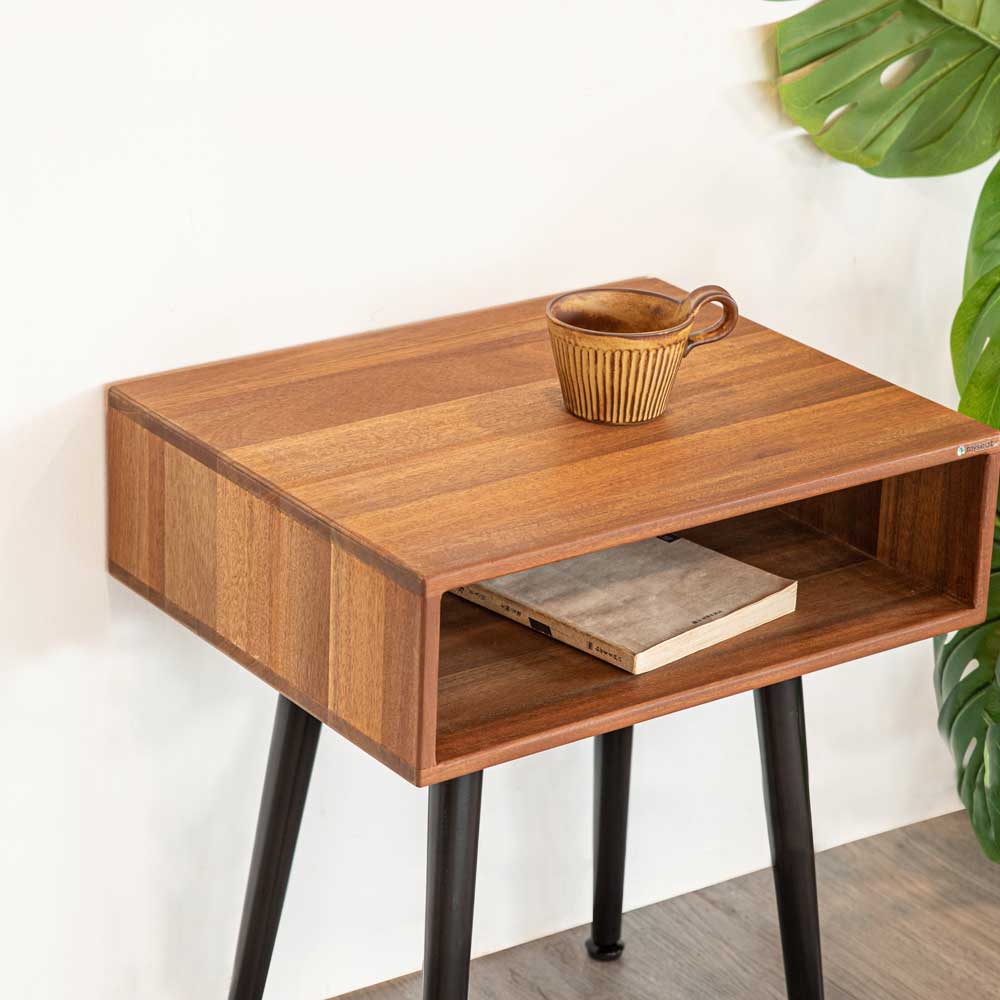
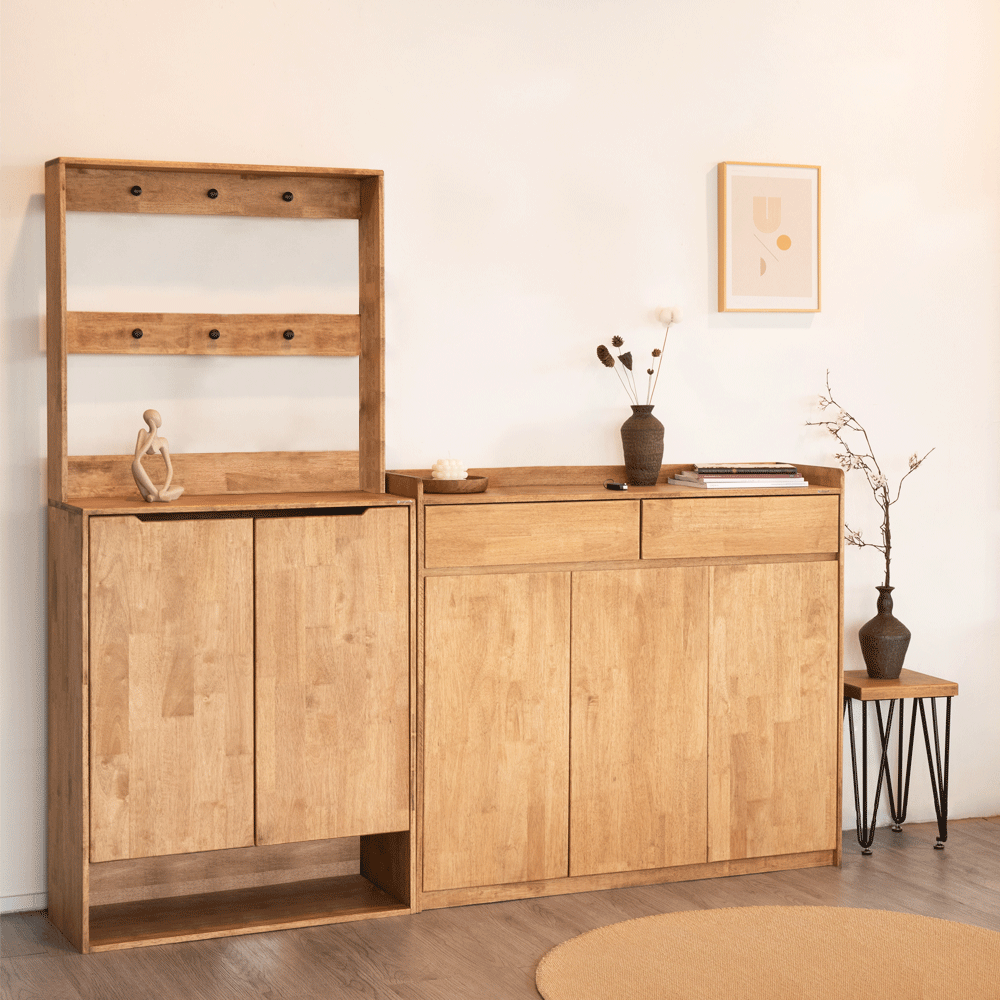
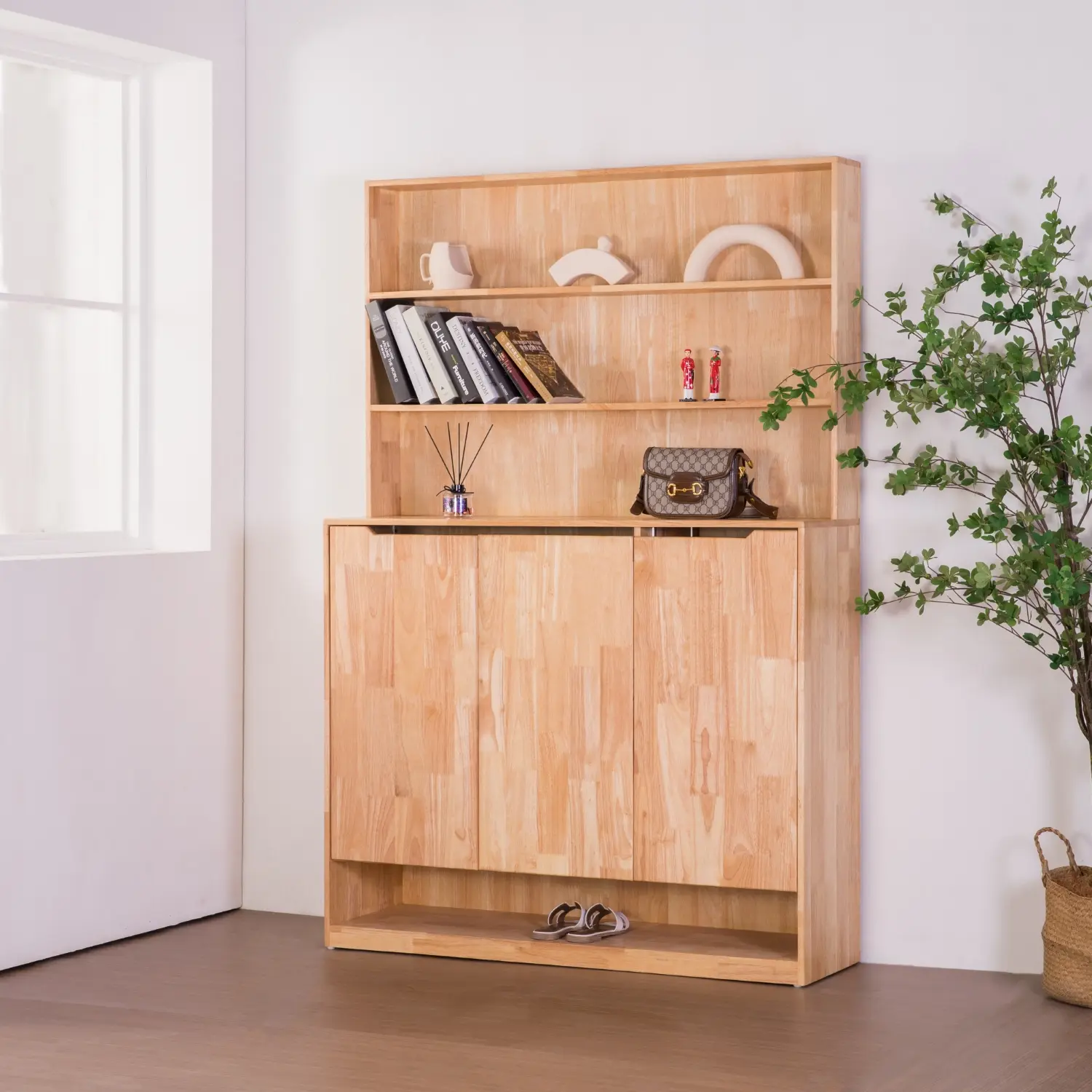
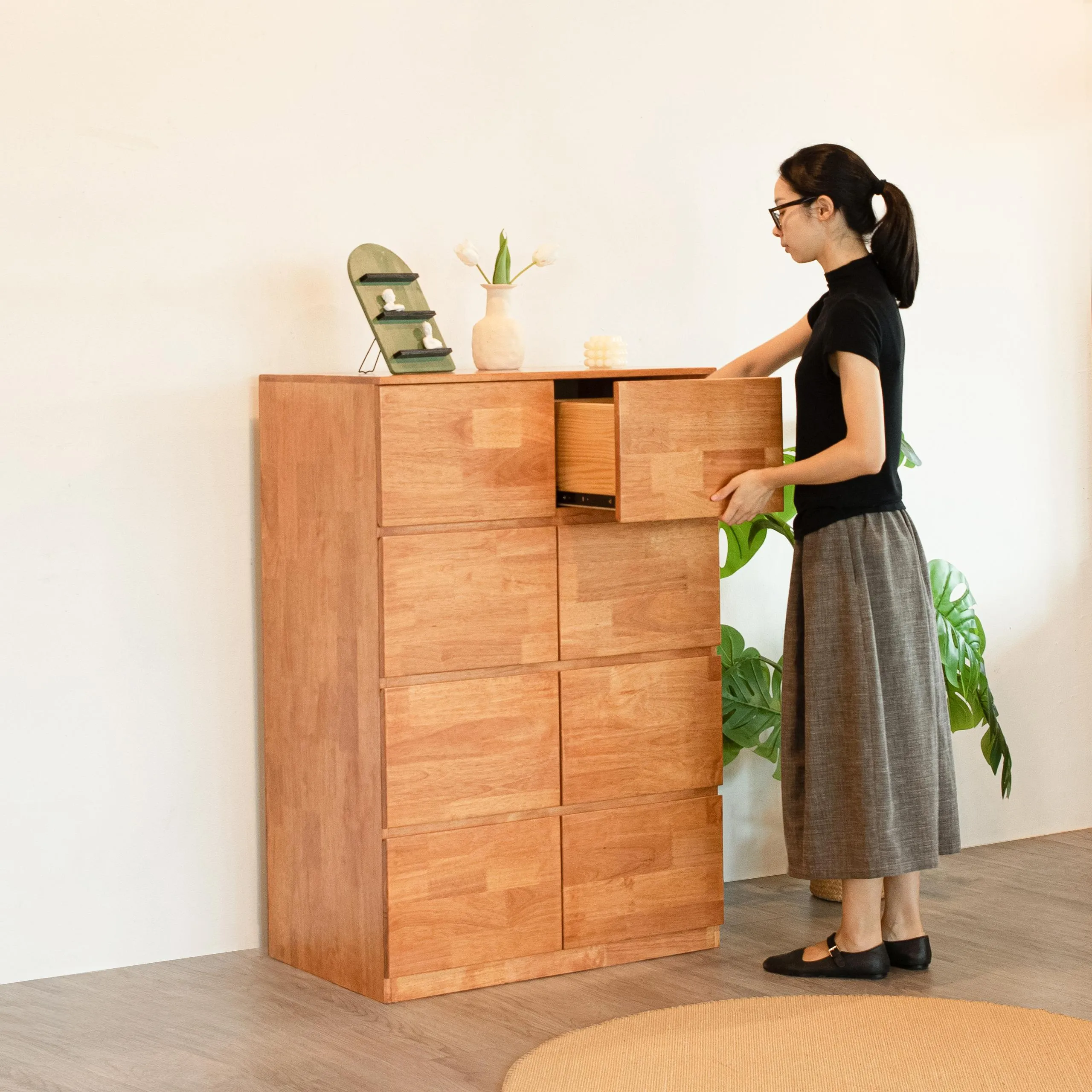
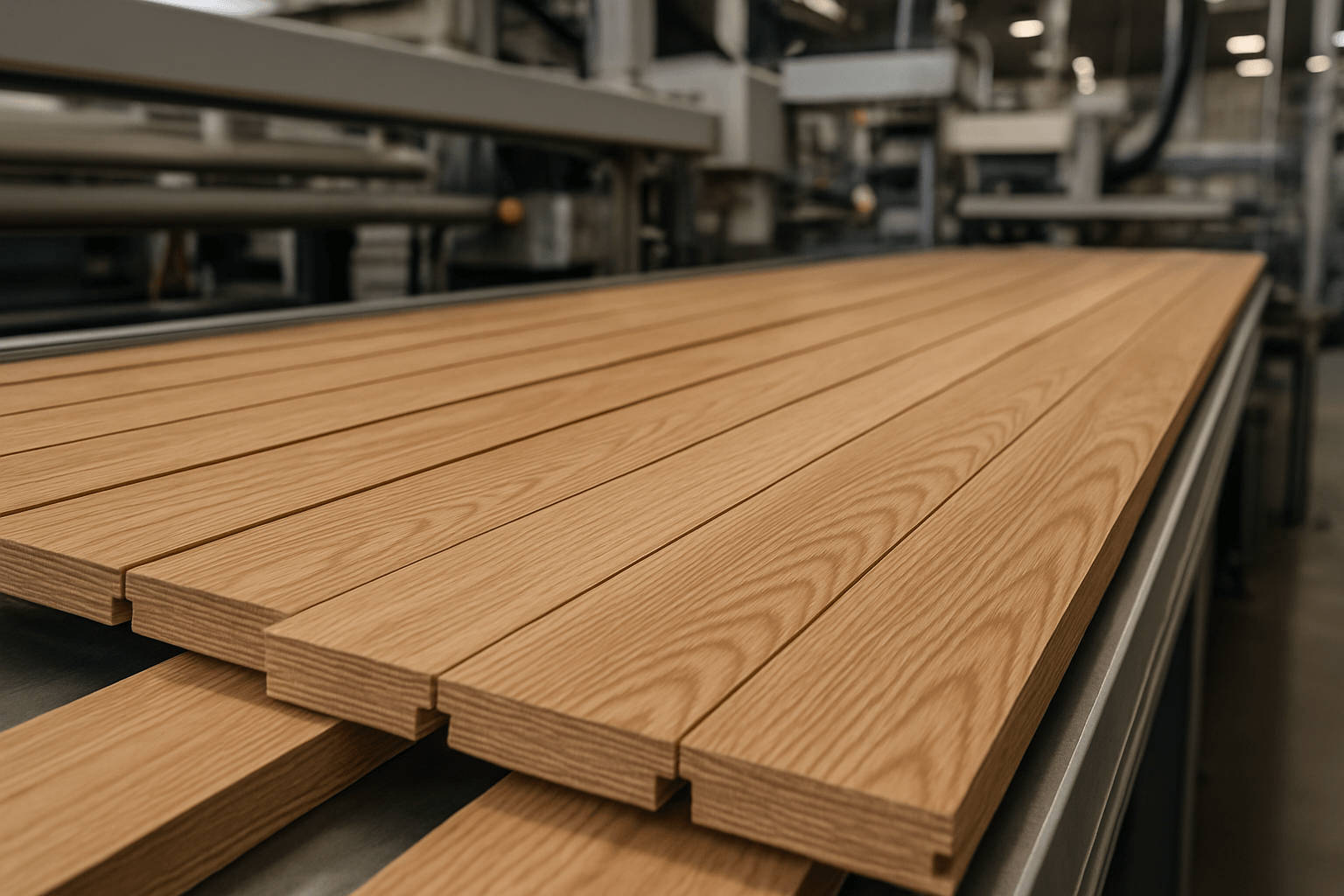
Solid wood furniture is made entirely from natural hardwood or softwood, either from a single piece or multiple joined sections of timber. Every piece carries unique grain patterns and organic textures, giving it a timeless appearance that ages beautifully over time.
Advantages of Solid Wood
- Exceptional durability — can last 15–50+ years with proper care
- Repairable and refinishable — scratches and dents can be sanded away
- Natural beauty with authentic grain variation
- More sustainable when FSC-certified and finished to E0 standards
- Stronger structural integrity compared to engineered alternatives
Disadvantages of Solid Wood
- Higher upfront cost
- Heavier to move and transport
- May warp or expand in humidity if poorly manufactured or maintained
What is Veneer?
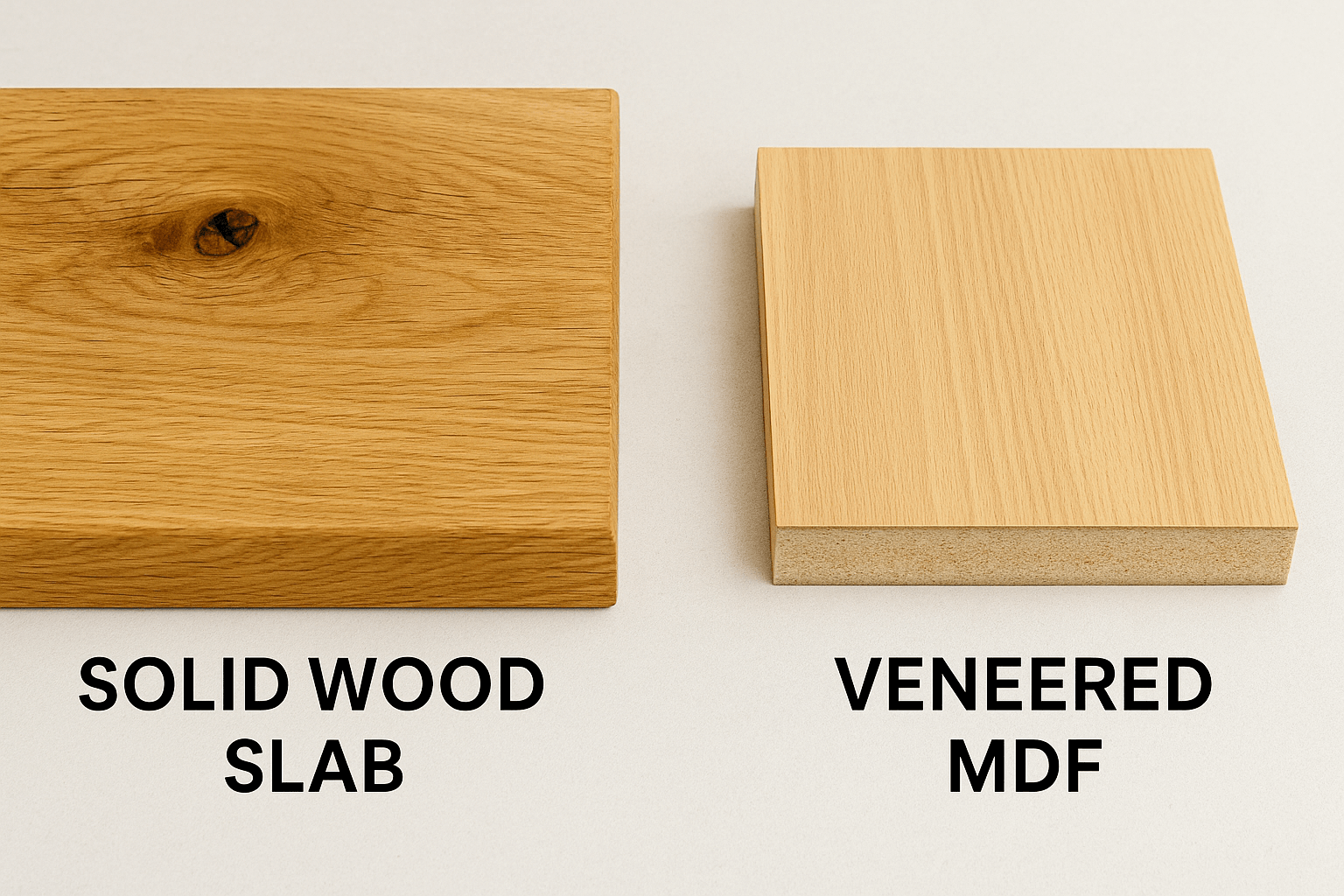
Veneer furniture consists of a thin layer of real wood, usually around 0.5–2 mm thick, bonded onto a base material such as MDF, particleboard, or plywood. It provides the visual appearance of wood at a more affordable price point.
Advantages of Veneer
- More budget-friendly
- Lightweight and easier to handle
- Can achieve attractive finishes when well-manufactured
- Offers a more uniform appearance across multiple pieces
Disadvantages of Veneer
- Cannot usually be sanded or refinished
- Lower long-term durability
- Surface damage may expose the engineered core material
- Poorly manufactured veneer may develop a laminated appearance over time
- More susceptible to peeling, bubbling, or edge wear
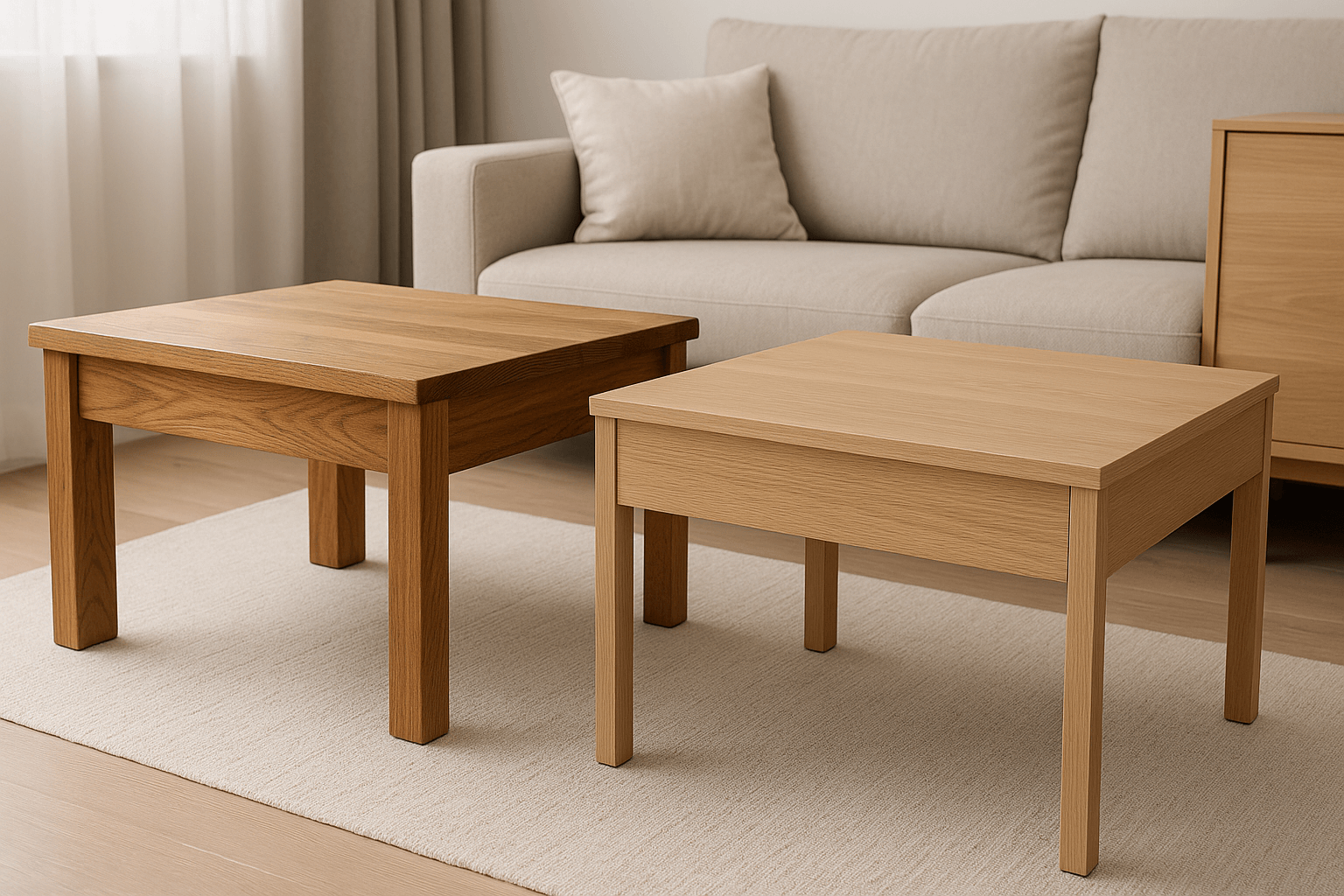
Furniture Material Comparison
| Feature |
Solid Wood |
Veneer |
| Material |
100% natural wood |
Thin wood layer over MDF or plywood |
| Appearance |
Unique grain and organic texture |
Simulates wood appearance |
| Durability |
Very high (10–50+ years) |
Moderate (3–10 years) |
| Maintenance |
Repairable and refinishable |
Difficult to repair once damaged |
| Weight |
Heavier |
Lighter |
| Price Range |
Higher upfront investment |
More affordable |
| Environmental Impact |
Lower when responsibly sourced |
Depends on adhesives and core material |
Why Do People Choose Each Option?
Why People Choose Solid Wood
- They want furniture that lasts for decades
- They appreciate natural grain and authentic texture
- They value sustainability and repairability
- They prefer investing once rather than replacing repeatedly
- They want furniture that develops character with age
Why People Choose Veneer
- They are working within a tighter budget
- They need lightweight furniture for rental homes or temporary spaces
- They prefer a highly uniform visual appearance
- They do not mind replacing furniture after several years
- They prioritize lower upfront cost over long-term lifespan
Why is Solid Wood Better for Long-Term Use?
Solid wood furniture is designed to endure decades of daily use. Unlike veneer, it can be sanded, repaired, and refinished multiple times, allowing scratches and wear to be restored rather than permanently hidden or replaced.
In Singapore’s humid climate, properly kiln-dried solid wood finished to E0 standards remains structurally stable, visually attractive, and resistant to pests when cared for correctly.
Isn’t Solid Wood Harder to Maintain?
Not necessarily. Basic care practices—such as avoiding prolonged direct sunlight, controlling humidity, and occasional polishing—are usually enough to keep solid wood in excellent condition.
Unlike veneer, which may peel or chip over time, solid wood tends to age more gracefully and can often be restored close to its original appearance.
Why is Solid Wood More Expensive?
Solid wood furniture requires higher-quality raw materials, longer manufacturing processes, and more craftsmanship. While the upfront cost is higher, the long-term value is often better because the furniture can last for decades instead of needing replacement every few years.
In many cases, repeatedly replacing lower-cost veneer furniture results in a higher cumulative cost over time.
Is Solid Wood Environmentally Friendly?
Yes—when responsibly sourced, solid wood is one of the more sustainable furniture materials available. It is renewable, biodegradable, and can be produced with low-VOC, non-toxic finishes such as E0 standard coatings.
FSC-certified wood also supports responsible forest management and sustainable harvesting practices.
How Can You Tell if Furniture is Solid Wood or Veneer?
There are several ways to identify solid wood furniture:
- Examine the grain pattern around edges and corners — solid wood grain remains continuous
- Check the underside or interior surfaces
- Solid wood generally feels heavier and denser
- Tap the surface — solid wood produces a more substantial sound
- Ask whether the internal core uses MDF or particleboard
If unsure, visiting a showroom in person is often the best way to compare materials directly.
Final Thoughts: Why Solid Wood is the Smarter Long-Term Choice
While veneer furniture can be practical for temporary spaces or lower budgets, solid wood offers superior longevity, craftsmanship, repairability, and timeless appeal. Its durability and natural beauty make it a worthwhile investment for homeowners seeking furniture that can withstand years of use in Singapore’s tropical climate.
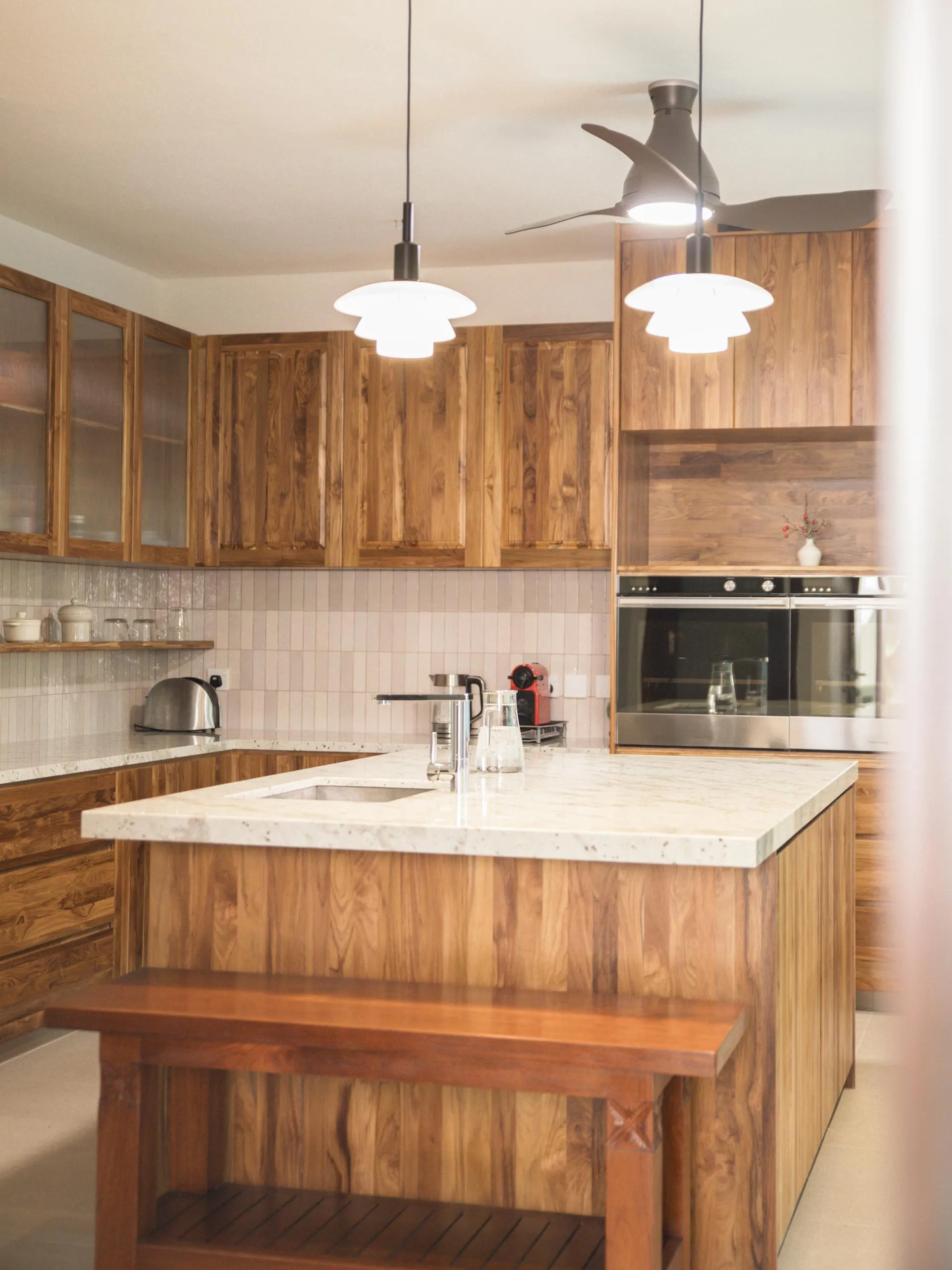
From solid oak and teak to rubberwood and walnut, well-crafted solid wood furniture brings both function and character into a home for the long run.